What is Multimodal AI and How Does It Work?
The burgeoning field of multimodal AI is transforming how systems interpret and leverage data. By effectively combining different types of information—such as text, images, and audio—multimodal AI is enabling a new era of intelligent applications that can understand context more deeply and provide richer user experiences.
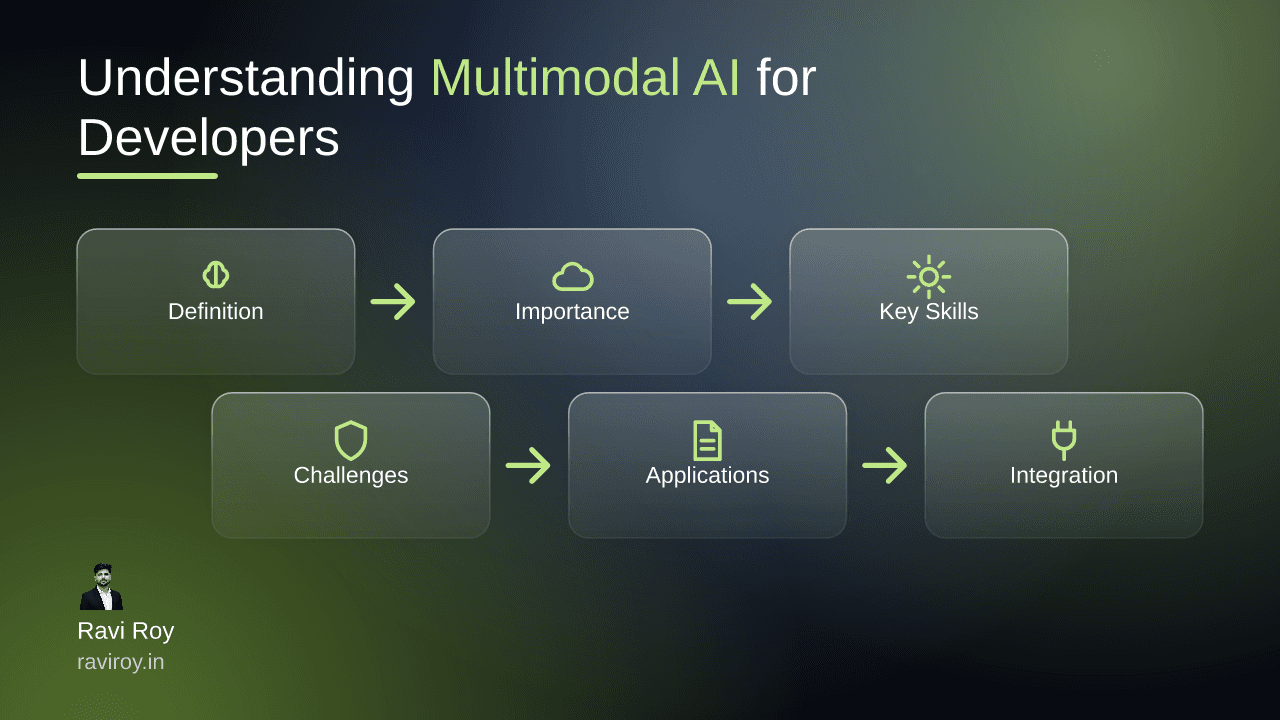
Defining Multimodal AI
Multimodal AI refers to artificial intelligence models that can process and integrate data from multiple modalities. Unlike traditional AI systems that may focus solely on one type of data, multimodal AI can analyze text while interpreting associated images or audio signals. This capability fosters a more holistic understanding, leading to solutions that are not just reactive but also proactively engaged with users’ needs.
How Does Multimodal AI Combine Different Data Types?
At its core, multimodal AI employs sophisticated algorithms to align and process disparate data streams. Techniques such as deep learning networks, particularly convolutional neural networks (CNNs) for images and recurrent neural networks (RNNs) for text, come together to create a synergy between these different modalities. For example, a multimodal model can assess both the visual context of an image and the text description accompanying it to provide a more nuanced analysis (think of AI systems that summarize videos by analyzing spoken words while also interpreting visual cues).
To illustrate, a cancer detection system might employ multimodal AI by using medical imaging and patient reports simultaneously. The AI could cross-reference visual data from MRIs with textual data from doctors’ notes, leading to more accurate diagnoses.
Why Multimodal AI Matters for Developers
As demand grows for richer, more intuitive applications, developers are finding enormous potential in multimodal AI. The integration of various data types is no longer just a trend; it’s quickly becoming a necessity.
Market Demand for Multimodal Solutions
Statistics indicate that the global multimodal AI market is projected to grow significantly, fueled by interest across industries such as healthcare, finance, and cybersecurity. For instance, a report from a leading market research firm noted a projected annual growth rate of over 25% in the next five years (source). The clear market demand for these technologies opens doors for developers who recognize the importance of multimodal approaches.
Impact on Software Development Processes
Implementing multimodal AI drastically enhances user experiences by providing more tailored interactions. For developers, this means that software development processes must adapt to include not only technical skills but also a keen awareness of user-centered design principles. This change demands an iterative approach; developers should leverage user feedback to continually refine their multimodal solutions.
Key Skills for Developing Multimodal AI Systems
With the rapid evolution of multimodal AI, developers must arm themselves with a new arsenal of skills.
Technical Skills
To build effective multimodal AI systems, developers must possess a robust understanding of core technical skills such as Python, deep learning frameworks (like TensorFlow or PyTorch), and natural language processing (NLP) techniques. Understanding how these components interconnect allows for the effective manipulation and analysis of diverse datasets.
Soft Skills Needed for Collaboration
In addition to technical know-how, soft skills play a pivotal role. Developers must collaborate seamlessly with data engineers, designers, and project managers to create integrated multimodal systems. Strong communication skills enhance this collaboration, particularly in agile development environments where requirements may rapidly evolve.
Challenges in Multimodal AI Development
While could be tempting to view the rise of multimodal AI as wholly positive, developers face several challenges that require careful attention.
Data Synchronization Issues
One significant hurdle is aligning data from multiple sources, as each modality might operate on different time frames or formats. For example, synchronizing audio transcripts with video footage can complicate machine learning processes, making it vital to invest in robust data management strategies to address these alignment issues.
Ethical Considerations
Ethical considerations are also paramount in the realm of AI. Addressing bias present in datasets is critical, as it significantly impacts the integrity of the outputs generated by AI systems. Developers should regularly audit their datasets for potential biases and engage with diverse teams to understand and mitigate ethical implications from various perspectives. For real-world implementations, organizations need to consider not just the technology, but also how it aligns with societal values.
Real-World Applications of Multimodal AI
The capabilities of multimodal AI are being harnessed across a range of industries, and the potential for future trends is exhilarating.
Case Studies Across Industries
Industries such as healthcare are leveraging multimodal AI to enhance diagnostics and personalized treatment plans. In finance, these systems facilitate fraud detection by analyzing transaction data and associated communication signals. Cybersecurity is also benefiting, where multimodal AI models can evaluate potential threats by examining logs alongside real-time data feeds.
Future Trends
Looking ahead, the job market is evolving, with expertise in multimodal AI systems becoming increasingly sought after. Emerging technologies that align with multimodal approaches—like augmented reality and the Internet of Things—are likely to fuel demand, creating new roles for developers skilled in these cutting-edge techniques.
Integrating Multimodal AI in Business Processes
For organizations wishing to adopt multimodal AI, there are essential strategies and metrics to consider.
Strategies for Implementation
Integrating multimodal AI into existing workflows involves several key steps:
Assessment: Evaluate existing systems and identify areas where multimodal AI can enhance functionality.
Prototyping: Create a prototype that tests the integration of multiple data types.
Pilot Testing: Run a pilot to gather data on performance and user feedback.
Full Deployment: After adjustments based on feedback, implement the solution across the organization.
Measuring Success
Key performance indicators (KPIs) can help businesses evaluate the effectiveness of their multimodal AI implementations. KPIs such as user engagement metrics, system reliability, and accuracy rates can provide valuable insights into how well the system performs. Aligning AI initiatives with overarching business goals ensures that investments in technology translate into tangible results.
Discussion: Your Experiences with Multimodal AI
Your insights are invaluable! What challenges have you faced in your experience with multimodal AI, and how did you tackle them? Share your practical tips and lessons learned from your projects, and let’s grow our knowledge together.
💬 Join the conversation — share your take in the comments and tell us what you’d add.