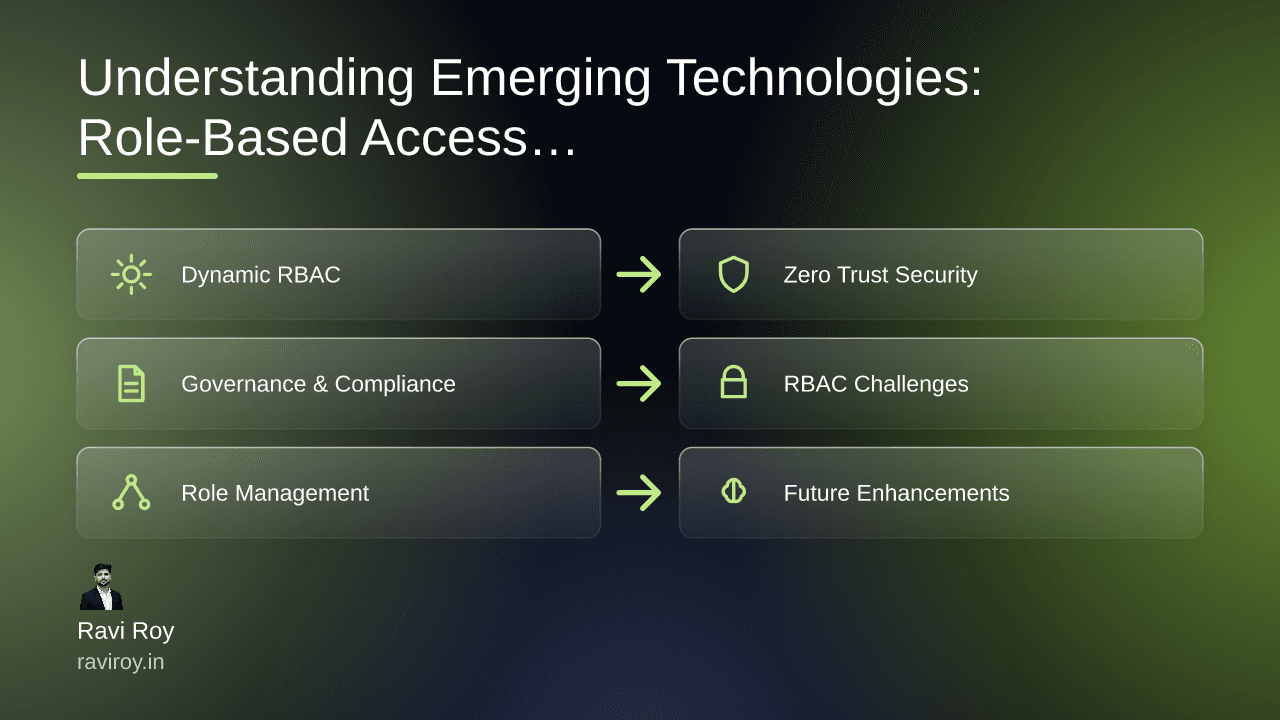
The Shift to Dynamic Role-Based Access Control
The digital landscape is evolving, and so are the security models that protect our data. One of the most crucial components in this transformation is Role-Based Access Control (RBAC), especially within AI platforms. Traditional RBAC has served organizations well, but with the rise of AI, its limitations have become apparent.
Understanding Traditional RBAC
Traditional RBAC limits user permissions based on fixed roles assigned at a single point in time. This model works effectively in static environments but falls short in the dynamic settings of AI platforms, where the context often changes rapidly. For instance, consider an AI system analyzing customer behavior; user roles might need to adapt based on the data being processed or the analytical models being utilized.
Dynamic vs. Static RBAC
Dynamic RBAC elevates traditional RBAC by allowing role assignments to be context-sensitive. Imagine a sales team accessing sensitive customer data; with dynamic RBAC, their permissions adjust in real-time based on their current activity or the sensitivity of the information. This flexibility not only enhances security but also improves operational efficiency in AI environments. Use cases such as AI-driven fraud detection illustrate this point, demonstrating how dynamic RBAC ensures that only authorized personnel can access potentially sensitive analytics.
Implementing Zero Trust Security in AI Platforms
As AI systems become more complex, the principles of Zero Trust security are increasingly relevant. The Zero Trust model operates on the premise that no user is inherently trustworthy, regardless of their location within or outside of the network.
Principles of Zero Trust
Zero Trust emphasizes continuous verification and minimization of access. This means that every action a user takes within an AI platform should be authenticated and authorized, no exceptions. This is particularly important given the sensitive nature of data processed in AI systems.
Integrating Zero Trust with RBAC
Integrating Zero Trust with RBAC fortifies security by ensuring ongoing validation of user roles. For example, a user might start with specific permissions, but as they interact with more sensitive data or applications, the system reassesses their access rights in real-time. A prominent case study is a financial services company that has implemented Zero Trust alongside RBAC, significantly reducing data breaches by continuously monitoring access and updating roles based on user behavior.
Governance and Compliance in AI Systems
The rapid development of AI technologies creates a pressing need for robust governance frameworks. As regulations like GDPR and CCPA become more stringent, organizations must adapt their RBAC systems accordingly.
Importance of Compliance
Compliance is not just about meeting legal standards; it also enhances trust and transparency. An AI platform that rigorously ensures compliance through effective RBAC strategies reduces the risk of penalties and fosters confidence among users.
Governance Models for AI Access Control
Governance models that incorporate RBAC help create a structured approach to managing access. An example is the "Policy-Driven Governance" framework, which aligns user roles with business objectives while ensuring compliance with essential regulations. This approach enables organizations to not only meet legal requirements but also optimize their AI systems for strategic goals.
Challenges of RBAC in AI Pipelines
While RBAC presents many advantages, its implementation is fraught with challenges, especially in AI data pipelines.
Common Roadblocks to Effective RBAC
Common issues include scalability, as the number of users and roles increases, and maintaining up-to-date role definitions that reflect changing business needs. In an AI environment, where model data can be highly sensitive and frequently updated, this becomes even more critical.
Mitigation Strategies for RBAC Issues
To tackle these roadblocks, organizations can employ automation and regular audits. Automation tools can help in dynamically assigning roles based on user interactions, while audits ensure that all role definitions stay relevant and effective. For instance, using machine learning algorithms can assist in identifying when access must be modified based on usage patterns.
Managing Roles and Permissions in AI Platforms
Efficient management of roles and permissions is paramount for ensuring a secure AI environment.
Role Management Best Practices
Best practices for managing roles include regularly reviewing and updating role definitions, adopting a least-privilege approach, and implementing automated processes for role assignment. Ensuring that users only have access to the resources necessary for their tasks minimizes potential security risks.
Integrating RBAC with Identity Management Systems
Integrating RBAC with existing identity management systems can streamline the overall access control process. By synchronizing roles across platforms, organizations can ensure that users maintain consistent access rights. Tools like Okta or Azure Active Directory are excellent examples of systems that facilitate this integration.
Exploring Granularity in User Access
The significance of granular access control cannot be understated, particularly in AI platforms where sensitive data is at the forefront.
Understanding Granular Access Control
Granular access control refers to the ability to assign permissions at a very detailed level, down to specific resources or actions. This is especially important in AI platforms where not all data is created equal.
Benefits of Fine-Grained RBAC
Fine-grained RBAC enhances security by limiting access to sensitive resources. For instance, in healthcare AI applications, it allows different healthcare providers to access only the records necessary for their role, thus maintaining patient confidentiality. A notable case is how hospitals have successfully deployed fine-grained RBAC to comply with HIPAA regulations while maximizing the benefits of AI-driven analyses.
Future Directions: AI-Powered Enhancements to RBAC Systems
As technology continues to advance, AI itself is set to revolutionize how we approach RBAC systems.
AI's Role in Evolving RBAC
AI can significantly streamline RBAC systems by predicting user behavior and dynamically adjusting access rights. By analyzing patterns, AI could not only reinforce existing protocols but also anticipate security risks before they manifest.
Predictions for RBAC Systems in AI
The future of RBAC will likely see an increased integration of predictive analytics to enhance security measures further. Machine learning algorithms can assess user actions and intelligently recommend role adjustments based on historical behavior patterns. This could fundamentally change how organizations enforce access control in AI applications.
What are your experiences with implementing RBAC in AI projects, and what challenges did you face?
💬 Join the conversation — share your take in the comments and tell us what you’d add.