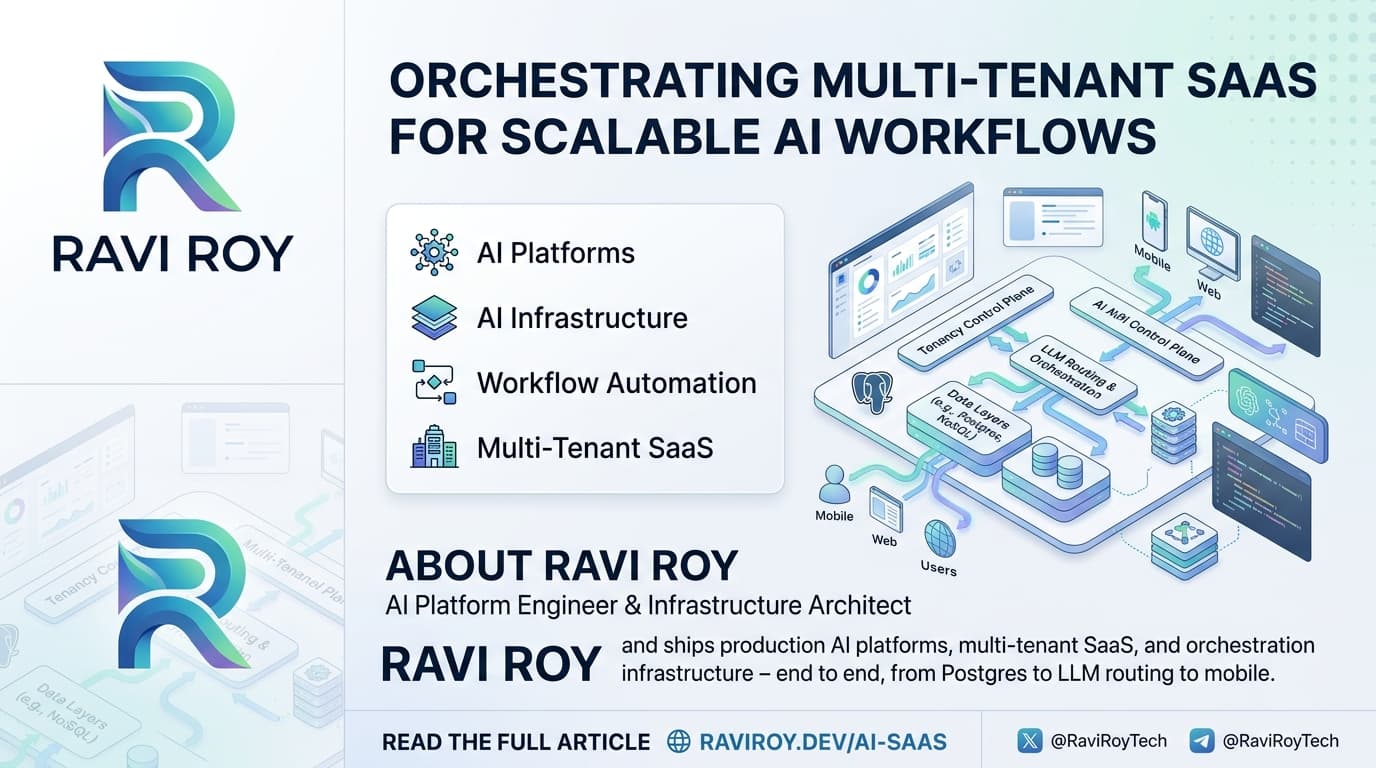
Understanding Multi-Tenant SaaS Architecture
What is Multi-Tenant SaaS?
Multi-tenant Software as a Service (SaaS) architecture is a cloud computing model where multiple customers (tenants) share the same infrastructure, applications, and underlying resources. Unlike single-tenant architectures that allocate separate instances of software and databases for each tenant, multi-tenant setups utilize a single instance to serve many clients. This approach significantly enhances efficiency and scalability, especially crucial for workflows powered by Artificial Intelligence (AI).
The unique facets of multi-tenant SaaS pave the way for substantial benefits, particularly in cost-effectiveness and scalability. With a shared infrastructure, businesses can allocate resources dynamically, allowing for smoother operations and quicker response times, critical factors when scaling AI workflows.
Benefits of Multi-Tenant SaaS for AI Workflows
One of the most notable advantages of adopting multi-tenant SaaS for AI workflows is the scalability offered through a consolidated infrastructure. By leveraging shared resources, organizations can efficiently manage fluctuating workloads, acquiring additional resources as necessary without the burden of individual hardware setups.
Cost efficiency also plays a significant role in the allure of multi-tenant SaaS. Multiple tenants utilize the same infrastructure, which means resource allocation and management are streamlined, leading to lower operational costs. Each tenant reaps the benefits of a robust architecture without needing an extensive budget, which inspires more innovation and experimentation in the AI landscape.
Key Considerations for AI Workflow Scalability
Impact of Multi-Tenant Architecture on Scalability
When evaluating scalability, the design of your architecture makes a notable difference. Multi-tenant systems allow organizations to manage varying workloads effectively, maintaining performance levels even during peak usage times. The architecture enables the sharing of not only resources but also data insights, leading to improved AI model training and refining processes.
However, scaling effectively requires meticulous attention to scalability strategies. The interaction of tenants within a single environment can create bottlenecks if not managed correctly. Therefore, understanding the dynamic between resource allocation and tenant demand is crucial for successful scaling efforts.
Best Practices for Tenant Isolation
Ensuring effective tenant isolation is paramount in a multi-tenant environment, especially for maintaining security and performance levels. This can be achieved by implementing various strategies, including resource quotas, data segmentation, and optimal configuration settings.
Leading SaaS platforms often use containerization techniques to create isolated environments for each tenant. By leveraging container orchestration tools, businesses can easily maintain isolation while maximizing resource usage. For example, Kubernetes is often used for automating the deployment and scaling of containerized applications, proving effective in managing tenant needs within a shared infrastructure.
Governance and Observability in Multi-Tenant SaaS
Importance of Governance
Governance plays a critical role in multi-tenant SaaS environments by ensuring compliance with industry regulations and maintaining high-security standards. Establishing clear governance frameworks allows organizations to define roles, responsibilities, and procedures for managing tenant resources, minimizing risks associated with shared architectures.
Adhering to compliance can be tedious but essential, especially in industries such as finance or healthcare. A robust governance framework allows for easier audits and ensures that security protocols are consistently enforced across all tenants.
Tools for Observability
For optimal performance monitoring in multi-tenant SaaS, observability tools become indispensable. They provide insights into system health and performance, allowing organizations to track tenant-specific metrics effectively.
Popular observability tools like Prometheus, Grafana, and Datadog offer robust solutions to measure application performance while ensuring that any anomalies can be investigated promptly. These insights allow businesses to proactively mitigate issues that might disrupt tenant experiences, further solidifying the importance of observability in maximizing AI workflows.
Cost Management in Multi-Tenant Environments
Cost-Aware Inference Orchestration
In a multi-tenant setup, managing costs effectively involves implementing cost-aware orchestration strategies. By analyzing usage patterns, businesses can dynamically allocate resources based on real-time demands, reducing waste and ensuring operational efficiency.
Orchestration tools that capitalize on machine learning algorithms can predict resource needs, optimizing operational costs while maintaining performance standards. This proactive approach to cost management not only drives financial sustainability but also empowers tenants to engage in more ambitious AI projects.
Implementing Budget Control Measures
Cost control in multi-tenant environments requires stringent budget management techniques. Techniques such as setting usage alerts, resource caps, and dynamic pricing models can prevent unexpected billing surprises and maintain budget adherence.
SaaS companies like Slack have successfully implemented these budget controls, allowing them to offer tiered pricing models that adapt as tenant needs evolve. This approach has bolstered user satisfaction while stabilizing the business's bottom line.
Tenant Experience and Customization
Self-Service Configurable Environments
Creating a user-friendly experience with self-service functionalities significantly enhances tenant satisfaction. By allowing tenants to customize their environments—whether through dashboard modifications or AI model tailoring—organizations can cater to unique needs and preferences effectively.
Self-service options not only streamline the onboarding process but also help tenants feel empowered in their use of the platform, promoting a more engaged user base.
Enhancing Tenant Onboarding
A streamlined and effective onboarding process is critical for retaining tenants in a multi-tenant environment. Tailoring onboarding experiences to distinct customer needs can greatly enhance user adoption rates and overall satisfaction.
By utilizing targeted tutorials, personalized setup options, and dedicated support teams, businesses can ensure that tenants feel confident and equipped to utilize the full capabilities of the platform from the outset.
Recommended Orchestration Tools for AI Workflows
Top Tools for Multi-Tenant AI Management
When it comes to managing multi-tenant AI workflows, several orchestration tools have emerged as industry leaders. Tools like Apache Airflow, Kubernetes, and Azure Data Factory offer rich capabilities for resource management, task automation, and real-time monitoring.
Each tool serves different aspects of orchestration, making it essential to analyze specific needs before selecting the right one for your operation. These tools not only propose streamlined capabilities but also foster collaboration among diverse tenant needs.
Evaluating Tool Effectiveness
To effectively select orchestration tools for multi-tenant environments, organizations should set criteria that include scalability potential, ease of integration, user-friendliness, and cost implications. Successful case studies demonstrating the application of these tools can guide better decision-making.
Organizations like Netflix have showcased the efficiency of using orchestration tools to manage large-scale AI workloads, proving that the right choice can yield outstanding results.
Security Measures for Multi-Tenant SaaS
Key Security Challenges
While multi-tenant SaaS offers many advantages, it also introduces specific security challenges. The intertwining of tenant resources creates vulnerabilities that must be addressed to protect data and compliance.
Data breaches and unauthorized access pose significant risks. Therefore, employing routine security audits and continuously updating security protocols is essential to safeguard tenant data against evolving threats.
Best Practices for Securing Tenant Data
Implementing best practices for securing tenant data is crucial in a multi-tenant environment. Strategies include data encryption, access controls, and consistent monitoring of user activities.
Moreover, engaging in compliance with regulatory frameworks such as GDPR or HIPAA is vital to ensure that data handling practices meet global standards and foster tenant trust. This holistic approach toward security can ensure that organizations mitigate risks effectively while navigating the complexities of multi-tenant architectures.
Unlock the potential of your multi-tenant SaaS architecture by implementing these strategies today!