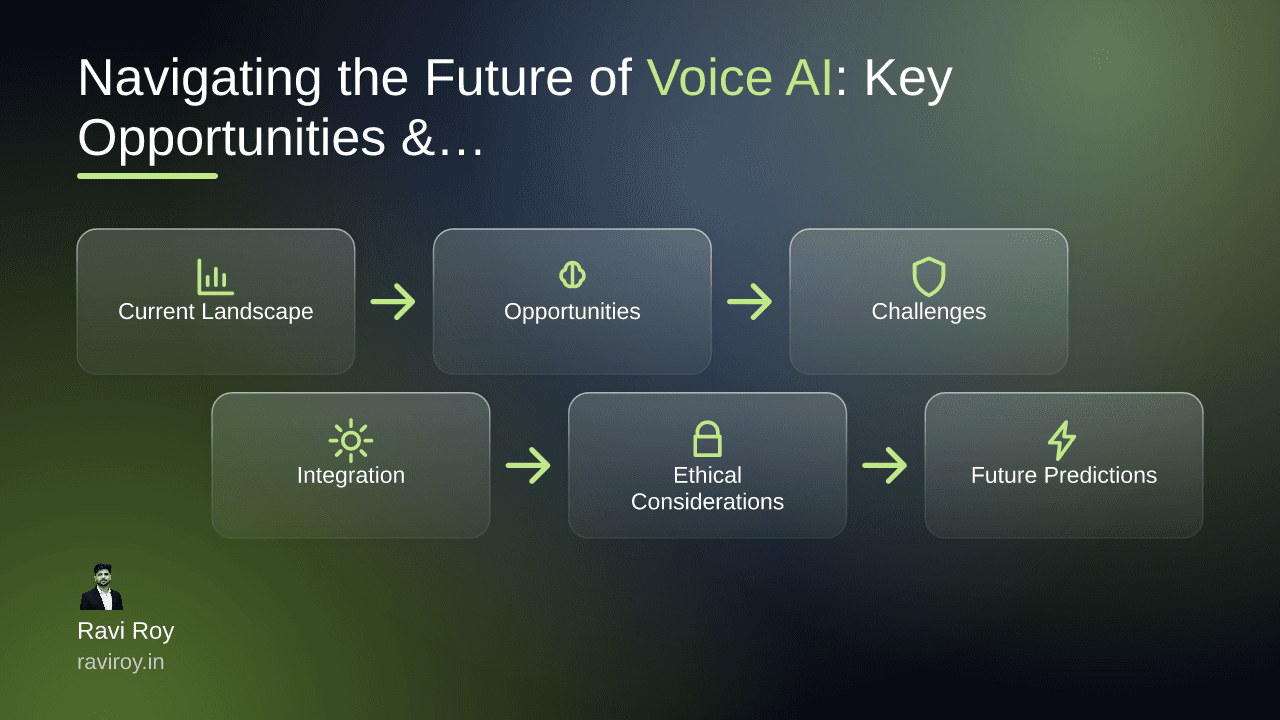
Understanding Voice AI: Current Landscape and Trends
Voice AI technology has taken significant leaps forward, evolving from rudimentary speech recognition to sophisticated systems capable of real-time multilingual communication. The current landscape showcases a myriad of applications, from virtual assistants to customer service bots, all culminating in a seamless interaction experience.
Real-time Multilingual Capabilities
One of the most significant developments in Voice AI is its ability to communicate in multiple languages in real-time. This capability not only enhances user engagement but also enables businesses to connect with a broader audience. For instance, companies like Google and Microsoft have adopted advanced neural machine translation that allows for natural-sounding multilingual conversations, making it easier for businesses to extend their reach globally. Smart integrations with tools like Google Translate have allowed organizations to provide customer support that speaks the language of their clients instantly, deepening the connection to local markets (source).
Integration with Enterprise Systems
Integrating Voice AI with existing enterprise systems can significantly enhance productivity. By harnessing the capabilities of voice assistants, businesses can streamline operations—from automating standard inquiries to managing complex workflows. For instance, Salesforce's integration with voice AI enables sales teams to input data verbally, allowing for a more relaxed and intuitive process. By linking these systems, companies can unlock efficiencies that translate into improved customer experiences and higher employee satisfaction.
Opportunities for Voice AI Developers
The future is bright for developers venturing into the realm of Voice AI. With advancements in technology, there are exciting opportunities ripe for exploration.
Personalization through Agentic AI
Agentic AI systems have emerged, allowing for sophisticated personalized experiences. These systems learn from individual user interactions, enabling a more tailored approach to communication. For example, chatbots equipped with agentic AI are learning user preferences over time, allowing them to proactively offer assistance, thereby moving beyond simple reactive interactions.
Natural Language Programming Paradigms
Another significant trend is the rise of natural language programming paradigms, which simplify the development process. Tools like OpenAI's Codex allow developers to write code through conversational interactions, making it more accessible for those without strong programming backgrounds. This democratization of development tools opens up opportunities across various industries, especially in healthcare and retail, where voice interfaces can enhance service delivery and user interaction drastically.
Challenges Developers Face with Voice AI
While the opportunities are promising, challenges loom on the horizon for developers in the Voice AI domain.
Privacy Regulations Compliance
Navigating the complex landscape of privacy regulations is a significant hurdle for developers. The introduction of regulations like GDPR in Europe and CCPA in California mandates stringent compliance measures concerning user data. Developers must ensure that their systems are designed to handle sensitive information responsibly, incorporating robust data protection measures from the start. This often means investing in additional security protocols and undergoing extensive audits to meet regulatory standards (source).
Navigating AI Biases
Bias in AI systems is another pressing challenge. Developers face the task of ensuring their models are not inadvertently biased, which can lead to flawed interactions or misinterpretations. For instance, bias might arise if the training data mostly represents a certain demographic, compromising the system's ability to serve a diverse user base. Strategies like regular audits, employing diverse training datasets, and involving a varied team during the development process can mitigate these biases significantly.
Integrating Voice AI into Existing Business Workflows
Successful integration of Voice AI into business workflows can facilitate an immense competitive advantage.
Practical Examples of Integration
Case studies reveal how companies can successfully implement Voice AI into existing systems. Take the example of Domino's Pizza, which integrated a voice-activated ordering service. Customers can simply place their orders without the need for a visual interface, enhancing convenience and operational efficiency. This initiative not only increased sales but also enriched the customer experience, highlighting the effective synergy between Voice AI and core business functions.
Cost Considerations for Small Developers
However, the financial implications of adopting Voice AI technologies can't be overlooked. Small developers, in particular, may wrestle with limited budgets. Balancing costs with sophisticated technology can require creative solutions, such as leveraging open-source Voice AI tools or partnering with larger tech firms willing to share resources. These collaborations can ease the burden of technology costs and expand the potential for innovation.
Ethical Considerations in Voice AI Development
As Voice AI continues to evolve, ethical considerations become increasingly paramount.
Impact on Job Markets
The rise of Voice AI could have profound impacts on employment landscapes. While these technologies can automate routine tasks, they also pose threats to various job sectors. It’s crucial for developers to approach the integration of Voice AI with an eye toward both benefits and potential job displacement, fostering discussions around reskilling and upskilling workers to coexist with these advancements.
User Trust and Data Security
User trust plays a vital role in the acceptance of Voice AI systems. Building trust hinges on transparent data practices. Companies must ensure that user data is protected with rigorous security measures, such as encryption and regular updates, to safeguard against breaches. Additionally, being upfront about how data is used goes a long way in establishing trust between users and Voice AI systems.
Future Predictions for Voice AI Technologies
Looking ahead, what does the future hold for Voice AI?
Innovations on the Horizon
Innovative trends are anticipated to shape the Voice AI landscape. For example, advancements in deep learning and computational linguistics promise to enhance natural language understanding, paving the way for more sophisticated interactions. Such innovations will likely enable Voice AI to engage in more complex conversations and understand context better than ever before.
Long-term Market Trends
As Voice AI becomes more ingrained in various sectors, long-term market trends indicate a push towards deeper integrations within enterprise ecosystems. This could lead to the emergence of Voice AI platforms that facilitate business operations in ways we haven't yet envisioned, showing a trajectory towards AI-driven organizations that prioritize seamless human-machine interactions.
Navigating the future of Voice AI presents both exhilarating opportunities and formidable challenges. As developers, understanding the landscape, recognizing issues of compliance, and making ethical considerations are essential strategies for thriving in this domain.
What challenges have you encountered in implementing Voice AI, and how did you overcome them?
💬 Join the conversation — share your take in the comments and tell us what you’d add.