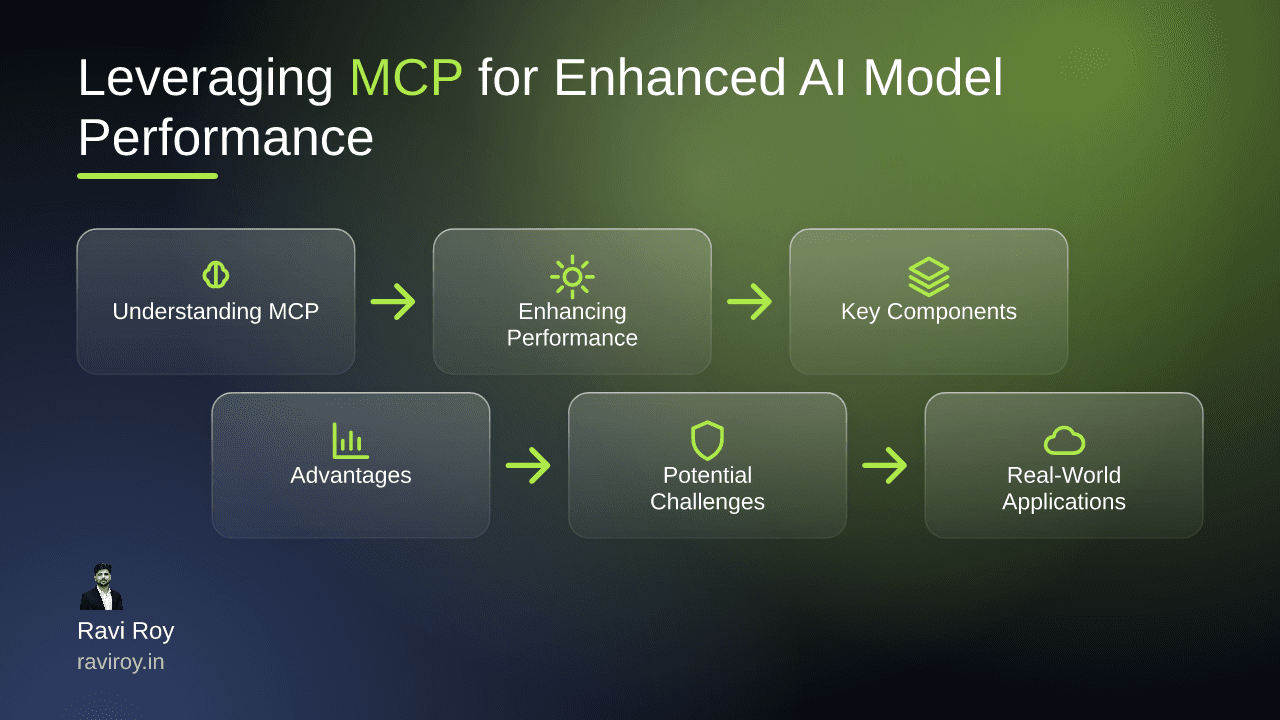
Understanding MCP: The Basics and Its Role in AI
The efficiency of AI models can dramatically improve when leveraging innovations like Model Context Protocol (MCP). This framework is not just a technical upgrade; it redefines how AI interactions occur in real-time applications by contextualizing input data, leading to smarter, more reliable models.
What is the Model Context Protocol (MCP)?
Model Context Protocol (MCP) is an architectural framework designed to enhance the contextual understanding of AI models. It essentially establishes a dynamic environment where AI applications can better interpret the relevant context surrounding queries. This is significant in AI, particularly in sectors where rapid, accurate responses are vital, such as healthcare and finance.
MCP aims to address core challenges faced by traditional AI models, notably issues related to misinterpretation of data. One major issue with AI models, especially Large Language Models (LLMs), is their tendency to generate outputs that don’t align with user intentions or contextual cues. By applying MCP, developers can ensure that models draw from a richer, more relevant set of data, improving their understanding and responses.
How MCP Addresses AI Model Challenges
MCP resolves several issues faced by AI models:
Contextual Relevance: Enhancing the model’s capacity to grasp intricate user intents, leading to better, contextually appropriate responses.
Hallucinations: Reducing instances where models generate misleading or inaccurate outputs, a common flaw in many AI applications.
Task Efficiency: Streamlining operations by ensuring models use the best-fit tools and data available.
For instance, when an LLM uses MCP, it can leverage real-time data inputs to provide live updates on complex topics, much like a news outlet adjusting its reporting based on ongoing events. This agility in understanding the changing context is what sets MCP apart as an essential component for modern AI development.
How MCP Enhances Real-Time AI Performance
Enhanced performance in AI isn’t merely about raw processing power; it’s heavily dependent on how well the model understands its environment. MCP plays a crucial role in achieving this understanding.
Real-Time Context and Reduced Hallucinations
MCP improves contextual understanding by harnessing real-time parameters. For example, an AI chatbot equipped with MCP can identify the emotional tone of a user’s query based on previous messages in the thread, leading to more empathetic responses.
Reducing model hallucinations is another profound benefit of MCP. When models operate under MCP frameworks, they’re less likely to produce outputs based on vague or misaligned data inputs. This reliability transforms AI applications from simple curiosity-driven tools into trustworthy assistants capable of supporting critical decision-making processes.
Increased AI Reliability and Reproducibility
MCP also enhances AI reliability. For instance, in financial applications where consistent output is critical, using MCP means models can assure clients that the data and insights they provide stem from accurate and dependable sources. This reliability fosters trust and encourages wider adoption of AI technologies in various industries.
An example of increased reproducibility can be seen in healthcare diagnostics, where AI models use MCP to improve consistency in identifying particular diseases or conditions. By referencing extensive databases in real-time, these models can provide results that healthcare professionals can rely on.
Key Components of MCP and Their Functionality
To fully understand and leverage MCP, let's dissect its core components.
Core Components of MCP
MCP comprises several crucial elements, including:
Contextual Framework: This defines how data is interpreted and applied within a given situation.
Data Handlers: These manage the streams of real-time data, ensuring efficiency and accuracy.
Interactivity Modules: These enable AI systems to interact seamlessly with external databases and applications.
Each component plays a distinct role in creating a cohesive system that enhances AI performance.
Facilitating External Interactions
MCP excels at facilitating interactions with external tools and datasets, allowing AI models to expand their capabilities significantly. For instance, a customer service AI can utilize MCP to pull data from multiple platforms, such as CRM systems, live databases, and user profiles, to provide personalized support.
Additionally, the scalability of MCP is noteworthy. As businesses grow, so do their data needs. MCP helps by allowing AI applications to adapt and scale down or up seamlessly while maintaining performance levels.
Advantages of Implementing MCP in AI Applications
Integrating MCP in AI applications comes with myriad benefits that can influence operational success.
Enhanced Tool Use and Task Automation
MCP streamlines the use of various tools within an AI framework, reducing the time and effort spent on mundane tasks. By enhancing task automation, organizations can free up valuable human resources, allowing them to focus on higher-level strategic activities.
For example, businesses leveraging MCP-enabled AI for inventory management can automatically reorder stock based on real-time sales data, effectively minimizing overhead and ensuring product availability.
Accelerated Ecosystem Growth
With improved task automation and tool integration, MCP contributes to overall ecosystem compatibility and growth. Companies that adopt this protocol can hasten their development cycles, leading to faster product releases and a more agile market presence.
Considering MCP: Potential Impacts and Challenges
While implementing MCP presents numerous perks, it’s imperative to acknowledge its potential impacts and challenges.
Performance Considerations with MCP Implementation
Integrating MCP into existing systems may come with performance trade-offs, especially when adapting older infrastructures. Organizations must conduct thorough testing to ensure that performance does not degrade as MCP is integrated.
Such assessments help balance newfound capabilities against previous efficiency levels, ensuring a smooth transition.
Standardization and Security Challenges
Standardization remains a significant challenge in the implementation of MCP. As many organizations approach it differently, creating an industry-wide standard can be complex. Additionally, security implications arise, particularly when real-time data takes center stage. Companies must ensure robust security protocols are in place to mitigate risks associated with data breaches.
Real-World Applications and Case Studies of MCP
To illustrate the effectiveness of MCP, let’s delve into some real-world applications and case studies.
Case Studies
Several organizations have successfully implemented MCP, showcasing various applications:
Healthcare AI: A medical diagnostics company applied MCP to ensure its AI consistently identified diseases with high reliability, dramatically improving patient outcomes.
Financial Services: A banking application using MCP enhanced its fraud detection abilities, resulting in a 25% drop in fraud-related incidents.
These success stories underscore the transformative potential of MCP across industries.
Long-Term Scalability Studies
Long-term studies have demonstrated that systems utilizing MCP can effectively manage increased loads without sacrificing performance. As organizations grow, the ability of MCP frameworks to adapt and scale positively impacts operational longevity, securing a competitive edge in fast-evolving markets.
Conclusion
Leveraging Model Context Protocol (MCP) offers a strategic advantage for enhancing AI model performance in real-time applications. From improving contextual understanding to facilitating smoother external interactions, the benefits are substantial.
What challenges have you faced in implementing MCP in your own AI projects, and how did you overcome them?
💬 Join the conversation — share your take in the comments and tell us what you’d add.