Understanding AI Innovation in Cloud Infrastructure
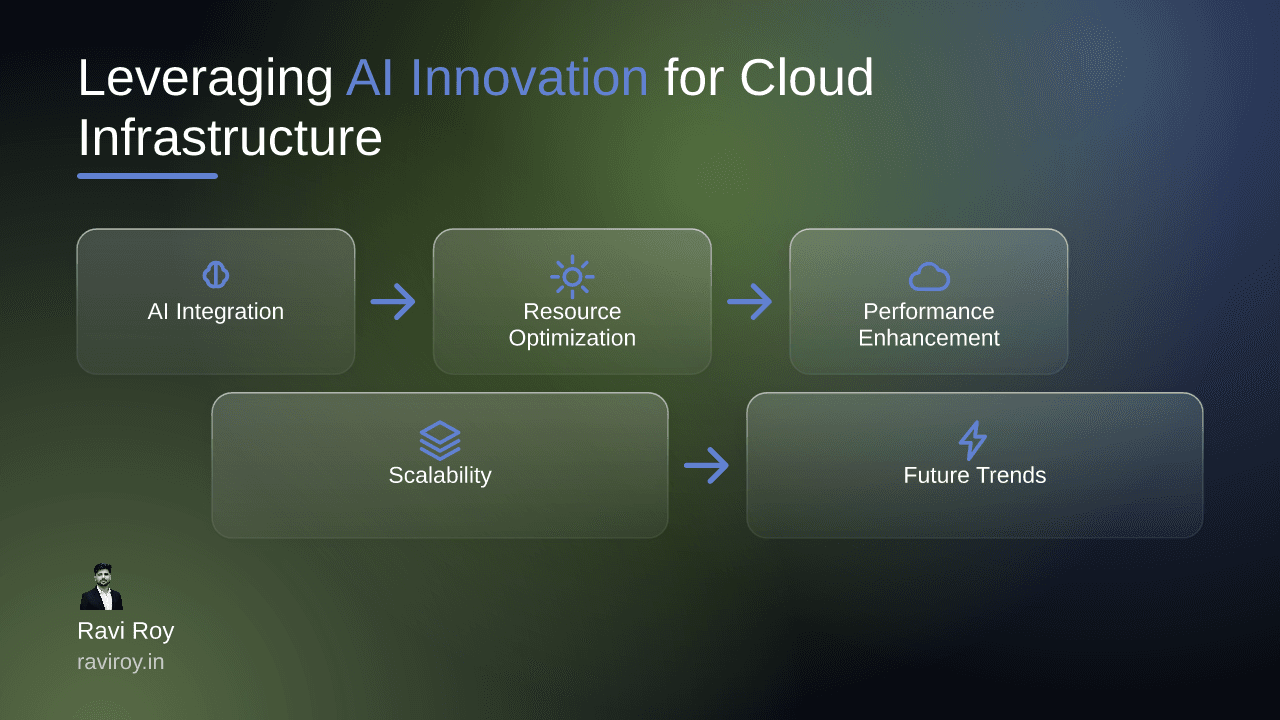
Artificial Intelligence (AI) is reshaping cloud infrastructure, making it more efficient, scalable, and intelligent. Companies leveraging AI innovation in cloud infrastructure find themselves at a competitive edge, rapidly adapting to market dynamics, and delivering superior services to users.
What is AI in Cloud Infrastructure?
AI in cloud infrastructure refers to the integration of machine learning algorithms and cognitive computing frameworks to enhance the functionalities and management of cloud services. This innovation does not merely automate existing workflows; it fundamentally changes how organizations utilize their data and resources. AI can analyze vast data sets to determine optimal ways to allocate resources, predict future demands, and improve service delivery.
Integration of Cloud and AI: How It Works
The integration of cloud and AI is a symbiotic relationship where each component reinforces the capabilities of the other. Cloud platforms provide the necessary infrastructure to store and process data efficiently, while AI algorithms analyze this data to produce valuable insights. Together, they facilitate real-time decision-making and resource allocation, transforming traditional operational models into more proactive and agile frameworks.
Benefits of AI Innovation for Scalable Cloud Infrastructure
Implementing AI in cloud infrastructure has significant advantages that can dramatically enhance performance and efficiency.
AI-Driven Cloud Resource Optimization
One of the most pivotal benefits of AI innovation is its ability to optimize cloud resource allocation. As workloads fluctuate, AI can automatically adjust resources in real-time—scaling up during peak demand and scaling down during quieter periods. For example, AI might analyze usage patterns and predict traffic spikes, allowing the system to pre-emptively allocate more servers to handle increased load, reducing downtime and enhancing user experience.
Cost Efficiency and Scalability
Small businesses particularly benefit from the cost efficiencies AI brings to cloud infrastructure. By minimizing resource wastage, predictive analytics can lower costs significantly. Additionally, with a more tailored resource allocation approach, businesses can scale their resources seamlessly without incurring excessive costs. For instance, a startup might implement a cloud service powered by AI that adapitates in real-time to its fluctuating user base, keeping expenses in line with growth.
Enhanced Security and Compliance
AI's role in enhancing security within cloud infrastructures cannot be overstated. With the increasing number of cyber threats, AI algorithms can monitor traffic patterns and detect anomalies that might indicate potential attacks, automating incident responses. These algorithms help in regulatory compliance as well, managing data encryption and access controls seamlessly. For instance, AI can track compliance with frameworks like GDPR by automatically logging data access changes and ensuring data protection protocols are in place.
Challenges of Integrating AI in Cloud Infrastructure
While AI offers myriad benefits, integrating it into cloud infrastructure comes with its own set of challenges.
Technical Challenges
Technical barriers can stifle the effective integration of AI with cloud services. Organizations may face incompatibility issues with existing systems or struggle with the complexity of implementing machine learning algorithms. Additionally, poor data quality can hinder AI outcomes, necessitating comprehensive data cleaning and preparation efforts before meaningful integration can occur.
Ethical Implications
The use of AI raises ethical considerations, especially concerning data privacy and bias in decision-making. Organizations must be vigilant in ensuring that their AI solutions are designed to be fair and transparent. Ethical use of AI in cloud systems requires strict adherence to guidelines and mandatory auditing procedures to mitigate risks associated with automated decisions (link text).
Managing Transition Complexity
Transitioning to an AI-enhanced cloud infrastructure can be a daunting task. Organizations often face internal resistance and challenges related to change management. To successfully navigate this transition, companies need a well-defined strategy that involves gaining stakeholder buy-in and providing proper training to employees.
Applications of AI Innovation in Cloud Services
AI innovation is manifesting across a variety of applications in cloud services, enhancing their capabilities dramatically.
Edge AI Computing
Edge AI computing represents a new frontier where AI processing occurs near the data source. This strategy enhances cloud capabilities by reducing latency and bandwidth use. For example, in manufacturing, machines can analyze data locally and make instant adjustments, sending only critical insights to the central cloud for further analysis.
Generative AI in the Cloud
Generative AI applications are gaining traction within cloud services. Tools like OpenAI’s GPT can be integrated into various platforms to aid creative processes. For instance, AI can generate code snippets or even draft marketing materials, allowing companies to leverage their cloud storage as a collaborative workspace that fosters innovation.
AI as a Service (AIaaS)
AI as a Service (AIaaS) offers organizations access to AI tools without the need to develop and maintain their own infrastructure. This facilitates a more cost-effective means to harness AI capabilities. Companies can integrate APIs for machine learning or analytics tools, expanding their cloud functionalities with minimal investment.
Future Trends in AI-Driven Cloud Innovation
As technology continues to advance, several upcoming trends are reshaping AI-driven cloud innovation.
Serverless Computing with AI
Serverless computing, where developers focus solely on code without managing server infrastructure, is increasingly supported by AI. This evolution enables dynamic scaling based on demand and optimizes performance. For example, an application might automatically scale resources during promotional events, ensuring optimal performance without manual intervention.
The Rise of AI-Powered Cloud Orchestration
AI-powered orchestration will be pivotal in future cloud services, enabling automated management of complex workflows and resource allocation. By analyzing historical data, systems will be able to predict resource needs more accurately, resulting in improved efficiency. This advance could significantly streamline operations, allowing for seamless transitions between workloads across various cloud environments.
Real-World Case Studies of AI Innovation in Cloud Infrastructure
Examining successful implementations provides valuable insights into the practical applications of AI in cloud infrastructure.
Small Business Success Stories
Take, for example, a small e-commerce startup that utilized AI-driven analytics to optimize their cloud logistics. By predicting peak shopping times, they adjusted their cloud resource allocations dynamically, leading to a 30% reduction in costs during off-peak hours while maintaining optimal performance during sales events.
Large Enterprise Implementations
On a larger scale, a multinational corporation integrated AI into its cloud infrastructure to enhance customer service. By analyzing customer interactions, they deployed chatbots powered by AI that operated within their cloud system, significantly reducing wait times and improving customer satisfaction scores by over 50%.
Through these case studies, it's clear that both small and large enterprises can reap substantial rewards from AI innovation in their cloud infrastructures.
What specific AI innovation have you seen make a tangible impact in your cloud infrastructure, and how did it influence your operations?
💬 Join the conversation — share your take in the comments and tell us what you’d add.