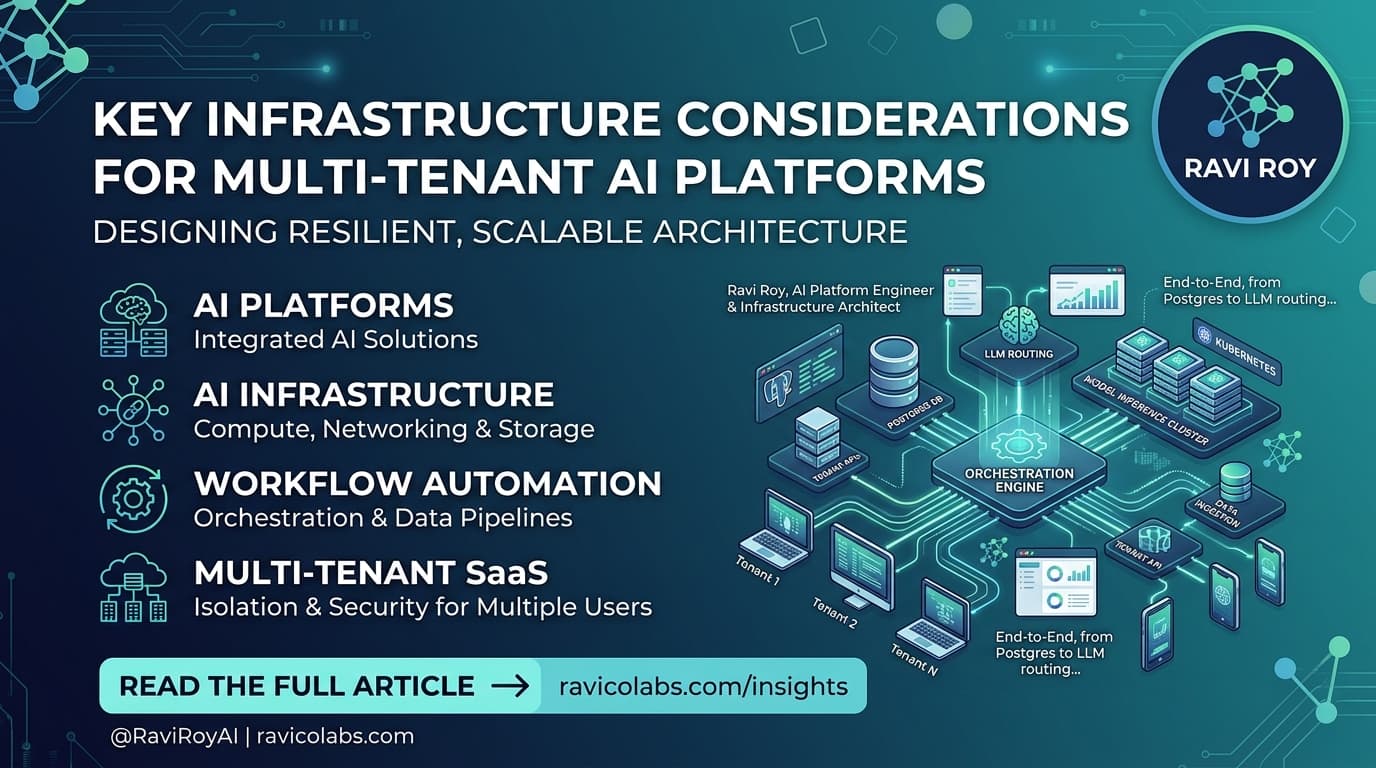
Understanding Multi-Tenant AI Platforms
What is a Multi-Tenant AI Platform?
Multi-tenant AI platforms revolutionize how businesses deploy artificial intelligence, allowing multiple customers (tenants) to share the same application while keeping their data secure and isolated. Unlike single-tenant systems, where each customer has a dedicated instance, multi-tenant architectures optimize resource usage and maximize operational efficiency. This unique model streamlines maintenance, upgrades, and scaling, making it an attractive solution for businesses aiming to leverage AI technologies without incurring the high costs of individual setups.
Benefits of Multi-Tenant Architecture
The inherent design of multi-tenant platforms offers several compelling advantages. First and foremost, shared resources lead to significant cost savings, as infrastructure expenses—such as computing power and storage—are distributed among tenants. This efficiency not only reduces operational expenditures but also helps providers pass savings on to their customers. Additionally, multi-tenancy enhances scalability; as more tenants are onboarded, resources can be allocated dynamically without disruption. The collaborative nature fosters an ecosystem where innovations can unfold rapidly, allowing tenants to benefit from collective advancements.
Key Infrastructure Elements
Tenant Isolation Techniques
A cornerstone of robust multi-tenant AI platforms is enforcing tenant isolation. Various strategies are employed to maintain this separation, ensuring that each tenant's data and processes remain secure. Techniques such as virtual machines (VMs), containers, and specialized access control mechanisms guarantee that one tenant cannot access another's data. For instance, containerization allows for resource allocation at the application level, restricting access while optimizing performance. This isolation not only protects sensitive information but also boosts user trust—essential for any successful multi-tenant architecture.
Scalability with Kubernetes
Kubernetes plays a pivotal role in managing the scalability of multi-tenant AI platforms. Its orchestration capabilities allow businesses to manage containerized applications efficiently, making it easy to add or remove tenants as needed. With features like automated scaling and self-healing, Kubernetes helps maintain performance and uptime, even as demand fluctuates. As new tenants are onboarded, Kubernetes can allocate resources dynamically, ensuring that every tenant has the processing power they require without compromising overall system performance.
Separation of Training and Inference
Separating training and inference processes is crucial in a multi-tenant AI framework. Training models often require substantial computing resources, while inference—where predictions are made based on trained models—needs to be responsive and less resource-intensive. By isolating these processes, platforms can optimize resource allocation, thereby enhancing performance. This division ensures that training does not interfere with real-time operations, allowing tenants to rely on fast, accurate AI predictions without delay.
Performance and Security Considerations
Ensuring Performance Guarantees
In a multi-tenant AI setup, providing performance guarantees across different tenants is a critical challenge. Service Level Agreements (SLAs) often define minimum performance metrics that every tenant should experience. Technologies such as Quality of Service (QoS) configurations can prioritize resource allocation based on real-time needs, ensuring that critical tasks get the processing power they need. Regular monitoring and analytics help maintain these performance benchmarks, enabling platforms to proactively address any issues that may arise.
Security Control Implementation
Securing tenant data across a multi-tenant architecture is paramount. Implementing robust security measures, including encryption, access controls, and continuous monitoring, is vital to protect sensitive information. Multi-layer security strategies, such as network segmentation and threat detection, help identify vulnerabilities before they can be exploited. Regular audits and compliance checks also ensure that the platform adheres to security standards, fostering confidence among users that their data is safe.
Compliance Management
Navigating compliance regulations, such as GDPR, is another essential consideration in the multi-tenant landscape. Multi-tenant platforms must implement processes to ensure that data handling complies with various legal requirements. Features such as automated data retention policies and user consent management are vital for maintaining compliance. By incorporating robust compliance management practices, AI platforms can ensure regulatory adherence, allowing tenants to operate without the fear of legal repercussions.
Cost Management and Transparency
Per-Tenant Usage Accounting
Transparent cost management is a vital aspect of multi-tenant architectures. By implementing per-tenant usage accounting, platforms can track resource consumption accurately, ensuring that each tenant is billed fairly based on their actual usage. This granularity promotes accountability and enhances trust, as tenants can see the breakdown of their costs and validate that they align with the resources they utilize.
Chargeback Mechanisms
Chargeback mechanisms are crucial for maintaining fair billing and efficient resource allocation in multi-tenant environments. By establishing clear models for how costs are distributed among tenants, platforms can encourage responsible resource consumption. This not only prevents overutilization but also allows tenants to make informed decisions about their resource needs, ultimately optimizing their operational efficiency.
Customization and Flexibility
Tailoring AI Behavior per Tenant
Customizing AI behavior for different tenants can significantly enhance user satisfaction and effectiveness. Multi-tenant platforms often allow for tailored configurations, enabling tenants to adjust parameters that affect model performance and responsiveness. This flexibility ensures that while tenants benefit from shared resources, they can also optimize their AI solutions to meet specific operational demands.
Tenant-Specific Model Usage
Balancing between shared and tenant-specific models is another facet of customization. While shared models promote efficiency and consistency across the platform, certain tenants may require specialized models to cater to their unique needs. By allowing for both shared and tenant-specific model usage, platforms can ensure that they deliver value while retaining the ability to innovate continuously in a cost-efficient manner.
Future Trends in Multi-Tenant AI Platforms
MLOps and GenAIOps Growth
The landscape of multi-tenant AI is evolving, with MLOps (Machine Learning Operations) and GenAIOps (Generative AI Operations) gaining momentum. These methodologies emphasize the seamless integration of AI models into production workflows, thus optimizing how AI is developed, deployed, and maintained across multiple tenants. As these practices grow, platforms will need to adapt by incorporating advanced monitoring and management tools that cater to the diverse requirements of multiple tenants.
Unified Storage Solutions
Another trend shaping the future of multi-tenant AI platforms is the shift toward unified storage solutions. As data volumes continue to skyrocket, efficient storage that supports both training and inference processes becomes essential. Unified storage solutions can provide performance isolation, ensuring that data retrieval times remain consistent, regardless of the workloads. This capability enables multi-tenant platforms to manage large datasets without compromising user experience.
Building a scalable multi-tenant AI platform requires thoughtful consideration of infrastructure elements, from tenant isolation to compliance management. Each decision impacts not only security and performance but also tenant satisfaction. Start building your scalable multi-tenant AI platform today by assessing the infrastructure considerations discussed.