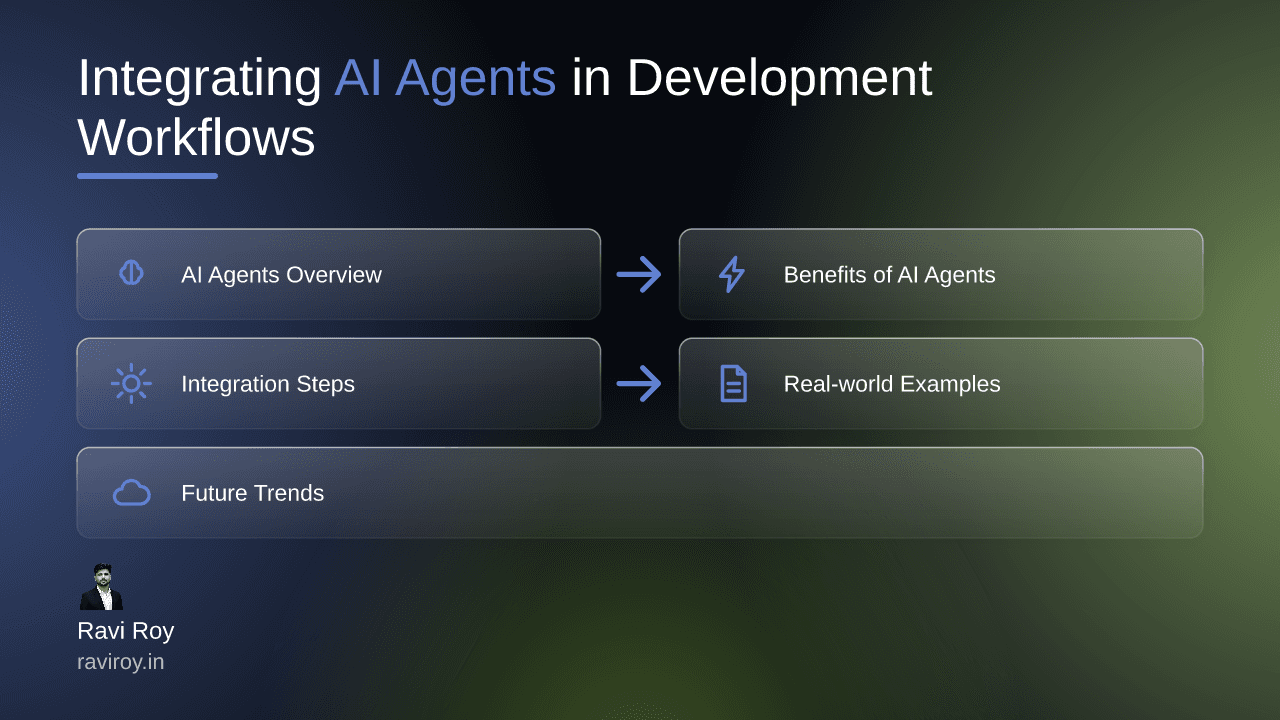
What Are AI Agents and Their Role in Development?
Defining AI Agents
AI agents are intelligent software applications that can autonomously perform tasks typically requiring human intervention. In the realm of software development, they serve as virtual assistants that streamline myriad processes, from coding and testing to debugging. AI agents harness machine learning algorithms and data processing capabilities to assist developers in making quicker, more informed decisions.
How AI Agents Enhance Development Workflows
By automating mundane tasks, AI agents significantly improve efficiency and productivity. They can handle repetitive coding tasks, auto-generate boilerplate code, and even assist in real-time debugging, allowing developers to focus on more complex problems. Tasks that once consumed hours can now be tackled in mere minutes, enhancing overall workflow and reducing the likelihood of burnout among team members.
The Benefits of Using AI Agents in Browser Automation
Improving Efficiency
Integrating AI agents into browser automation is a game-changer for development teams. These agents drastically speed up web testing and automation processes while substantially minimizing human errors. An AI agent can run multiple tests simultaneously across different browsers, drastically cutting down on time and resource expenditure.
For instance, a project involving routine web scraping or UI testing can benefit immensely from automated processes. By using AI agents like Selenium or Puppeteer, developers can set scripts that run tests at regular intervals or on specific changes in code.
Ensuring Code Quality
AI doesn't just enhance speed; it also improves quality. AI-driven tools offer refactoring suggestions and perform static code analysis, identifying areas where improvements can be made. For example, tools such as SonarQube can analyze code for smells or bugs, ensuring high-quality outputs. AI agents can analyze codebases overnight or during downtimes, providing clear suggestions by morning.
Handling Security Vulnerabilities
One of the most pressing concerns in software development is security. AI agents play an instrumental role in identifying vulnerabilities proactively. They can scan code for potential threats and flag them before they become significant issues. For instance, integrating tools like Snyk with your development pipeline means that any security loopholes are highlighted in real-time, allowing for rapid resolution.
Integrating AI Agents into Existing Development Workflows
Key Tools and Platforms
Choosing the right tools is essential for successful integration. The most popular AI tools include Selenium and Puppeteer for browser automation, both of which can work in tandem with AI agents. These tools allow for the automation of testing in various browsers, ensuring that the user experience remains consistent. Additionally, other platforms like TensorFlow can be used to train models that enhance automation capabilities.
For example, employing a Selenium script combined with an AI agent can automate the process of logging into applications, filling forms, and running automated tests, all while learning from any encountered errors to enhance future interactions.
Adapting Legacy Systems
While integrating AI agents presents great benefits, working with legacy systems poses unique challenges. It’s crucial to devise an effective strategy to adapt these older systems for modern AI. Approaches can include:
Incremental Updates: Gradually replace components with AI-enabled versions rather than overhauling the entire system.
APIs and Middleware: Use APIs or middleware to connect legacy systems with AI agents, facilitating better communication.
Custom Solutions: Develop bespoke AI tools tailored to existing frameworks, ensuring compatibility while enhancing functionality.
Real-world Examples of AI in Action
Case Study: AI in Continuous Integration/Continuous Deployment (CI/CD)
One notable case study involved a large e-commerce company that sought to enhance its CI/CD pipeline using AI agents. By integrating AI-driven testing tools, they achieved a 30% reduction in deployment time and a marked improvement in bug detection rates—up to 40%. Metrics showed a significant decrease in rollback instances, with the implementation leading to a smoother transition between development and production stages.
Success Story: Enhancing Testing Protocols
Another success story features a fintech startup that integrated AI agents into their testing framework to enhance their product’s reliability. With a focus on creating seamless user experiences, they employed AI to run extensive automated regression tests. As a result, they reduced manual testing time by over 50%, allowing their developers to iterate and innovate more rapidly while maintaining a high standard of quality assurance.
Future Trends: The Evolution of AI Agents in Development
Predictions for AI and Automation
As we look forward to the next five years, the role of AI agents in development will evolve significantly. We can expect advancements in natural language processing, allowing for more intuitive interactions between developers and AI. Furthermore, as machine learning algorithms grow increasingly sophisticated, AI agents will become more adept at understanding complex coding tasks, predicting potential issues before they arise.
Challenges Ahead
Despite the many benefits, several challenges loom on the horizon for developers adopting AI agents. Concerns regarding data privacy, the need for skilled personnel to manage these technologies, and potential resistance to change within teams can impede progress. Developers must navigate these obstacles carefully to fully realize the potential of AI in their workflows.
Have you integrated AI agents into your development process? Share your experiences and the lessons you've learned, especially in terms of challenges and successes!
💬 Join the conversation — share your take in the comments and tell us what you’d add.