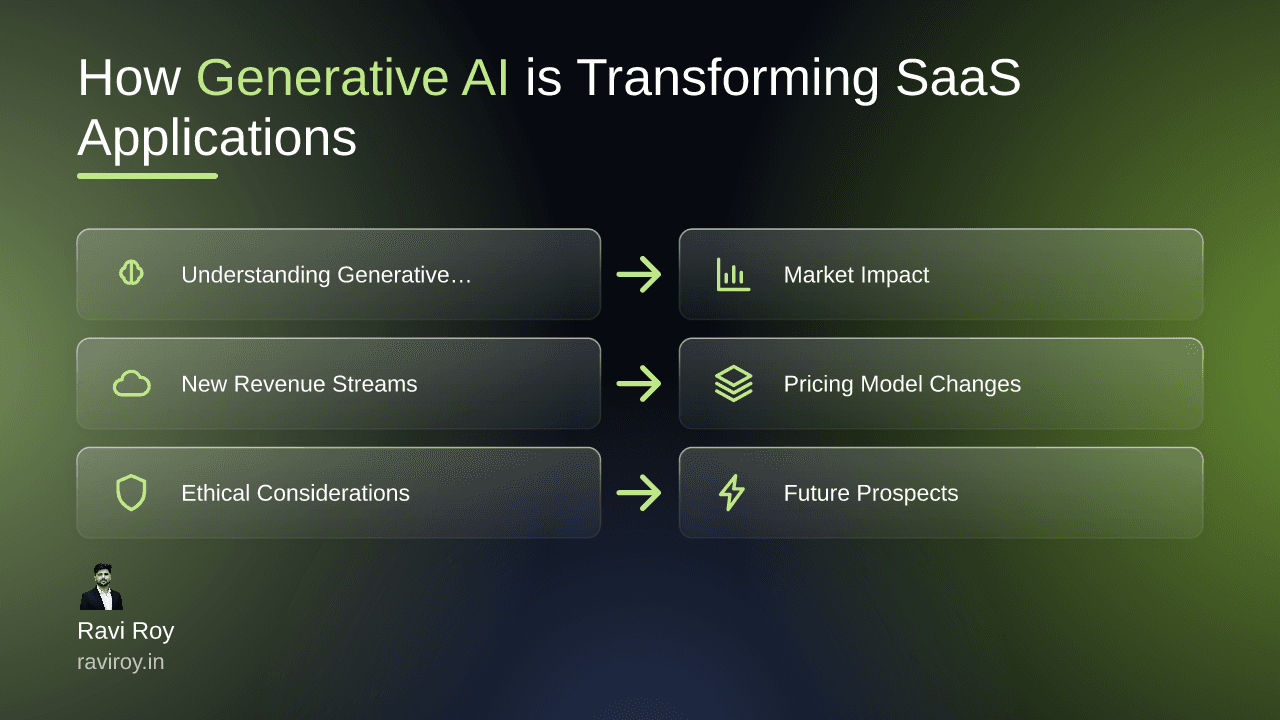
Understanding Generative AI in SaaS
Generative AI is not just a trend; it's fundamentally reshaping how SaaS applications are developed and utilized. By harnessing the power of advanced algorithms, businesses are discovering new avenues for innovation, efficiency, and growth.
What is Generative AI?
Generative AI refers to algorithms capable of creating new content or solutions based on a set of input parameters. Unlike traditional AI, which primarily focuses on data analysis and prediction, generative AI can design, write, or even code, producing original outputs. This capability opens doors to unprecedented creative possibilities across various sectors.
For instance, in content creation, platforms like OpenAI’s ChatGPT can draft articles, summaries, or even code snippets, enabling problems to be resolved quickly. In design, tools like DALL-E generate art based on textual descriptions, allowing designers to visualize concepts effortlessly. Moreover, in coding, Codex assists developers in writing clean and functional code faster than ever.
Key Differences from Traditional AI/ML
While traditional AI and machine learning (ML) focus on interpreting data and making predictions, generative AI takes a step further by producing new data. Traditional systems rely heavily on historical data for training and can only suggest outcomes based on past patterns. In contrast, generative AI leverages neural networks to understand complex relationships and create novel solutions.
This fundamental difference in modeling underpins varied applications. For instance, where traditional AI might analyze user behavior to improve user experience, generative AI goes beyond to design interfaces or create personalized content tailored for individual users. Such capabilities redefine user interactions in SaaS and elevate engagement by providing tailored experiences.
Market Impact of Generative AI on SaaS
Explosive Growth Trends
The generative AI market is forecasted to hit a staggering $126 billion by 2025, emphasizing the rapid adoption of this technology in SaaS applications. According to recent reports, businesses leveraging generative AI are experiencing growth rates outpacing the market average by a substantial margin. This explosive trend signals a notable shift in how organizations approach software solutions, as they increasingly integrate AI capabilities into their offerings.
Coupled with a growing need for efficiency, the surge in generative AI tools signifies a monumental shift from traditional SaaS applications towards more dynamic, responsive platforms. Companies leveraging these tools witness improvements in productivity, enhanced decision-making processes, and increased customer satisfaction.
Emergence of AI-Native Applications
AI-native applications differ markedly from legacy SaaS solutions. While traditional applications typically retrofitted AI capabilities to existing frameworks, AI-native solutions are built from the ground up with AI integration as a core component.
For example, platforms like DataRobot provide fully automated machine learning services that empower non-technical users to generate predictive models without prior knowledge of ML. Another example is Canva, where generative AI tools allow users to create original designs effortlessly. These types of applications illustrate the seamless integration of generative AI, enhancing user experience and providing real-time solutions.
Unlocking New Revenue Streams with Generative AI
Innovative Business Models
Generative AI is paving the way for innovative business models that didn’t exist a decade ago. For instance, subscription-based models can incorporate generative features allowing users to customize outputs based on their requirements, driving higher user engagement and accountability.
Moreover, companies are now monetizing unique AI-generated content suggested for marketing and user interaction, which creates additional revenue streams. By allowing users to harness generative capabilities, companies can also position themselves as pioneers in their respective markets.
Case Studies of Success
Consider the success of Jasper, an AI-powered content platform. Jasper not only automates content creation but also customizes marketing strategies based on user data, significantly driving user acquisition and retention rates. Additionally, GitHub Copilot has transformed how developers approach coding tasks, reporting a remarkable increase in productivity for coding teams. Both of these examples underline the financial benefits that can arise from integrating generative AI into SaaS platforms.
In assessing potential market opportunities, numerous startups are focusing on specialized niches within the generative AI ecosystem, ranging from personalized educational solutions to tailored HR tools—each finding a unique angle to capitalize on this technology.
Transformative Changes in Pricing Models
Shifts Towards AI-Driven Pricing
With the advent of generative AI, traditional pricing strategies are being re-examined. The integration of AI into pricing models enables companies to dynamically adjust prices based on real-time data analytics. This automated pricing approach enhances competitiveness and can greatly influence user acquisition.
For instance, platforms like Shopify are utilizing generative AI to suggest optimal pricing strategies based on market trends and user behavior, allowing businesses to scale efficiently. This shift means that SaaS providers can respond to changing market conditions and customer demands in real time.
Examples of Pricing Innovation
AI-driven pricing isn’t without its challenges and complexities. Companies like Zendesk and Salesforce have adopted hybrid pricing models that combine traditional and AI-driven strategies. They allow for flexibility in service offerings, ensuring that users receive tailored solutions that match their needs, while also enhancing revenue predictability.
However, the transition to this model requires significant investments in technology and deep understanding in data analytics, creating barriers for some struggling companies.
Ethical Considerations for SaaS Providers
Establishing Ethical Guidelines
Navigating the ethical implications of generative AI poses challenges for SaaS providers today. Transparency around how data is utilized, permission to use personal data, and how generated outputs are regulated are critical. The establishment of clear ethical guidelines can mitigate risks associated with misinformation, bias, and privacy concerns in AI applications.
Impact on User Trust
In a landscape where trust is paramount, adhering to ethical standards enhances customer confidence. Clients are more likely to engage with companies that prioritize transparency about their AI systems, leading to stronger customer loyalty and long-term relationships.
By promoting ethical practices, organizations can not only protect their users but also differentiate themselves in a crowded market, reinforcing brand identity and customer relations.
Future Prospects of Generative AI in SaaS
Long-term Sustainability
As we look toward the future, the sustainability of generative AI integrations hinges on balancing innovation with ethical practices. Companies that refine their AI techniques while remaining committed to ethical standards will likely be the forerunners in establishing genre-defining SaaS platforms.
Predictions for Market Evolution
Technological advances in generative AI are expected to prompt significant challenges for SaaS providers. As the market evolves, companies must prepare for increased competition, new regulations, and the need for constant adaptation.
For example, as capabilities heighten, providers may face heightened demand for personalized solutions which will require swift technological advancements and innovative design thinking.
Conclusion
Generative AI is rewriting the rulebook for SaaS applications, unleashing new business models, enhancing pricing strategies, and instigating ethical discussions that shape user trust. The transformational potential of this technology is significant, and organizations must stay agile to adapt to its rapid developments.
How has your organization started to adapt to the changes brought by generative AI in SaaS? Share your experiences!
💬 Join the conversation — share your take in the comments and tell us what you’d add.