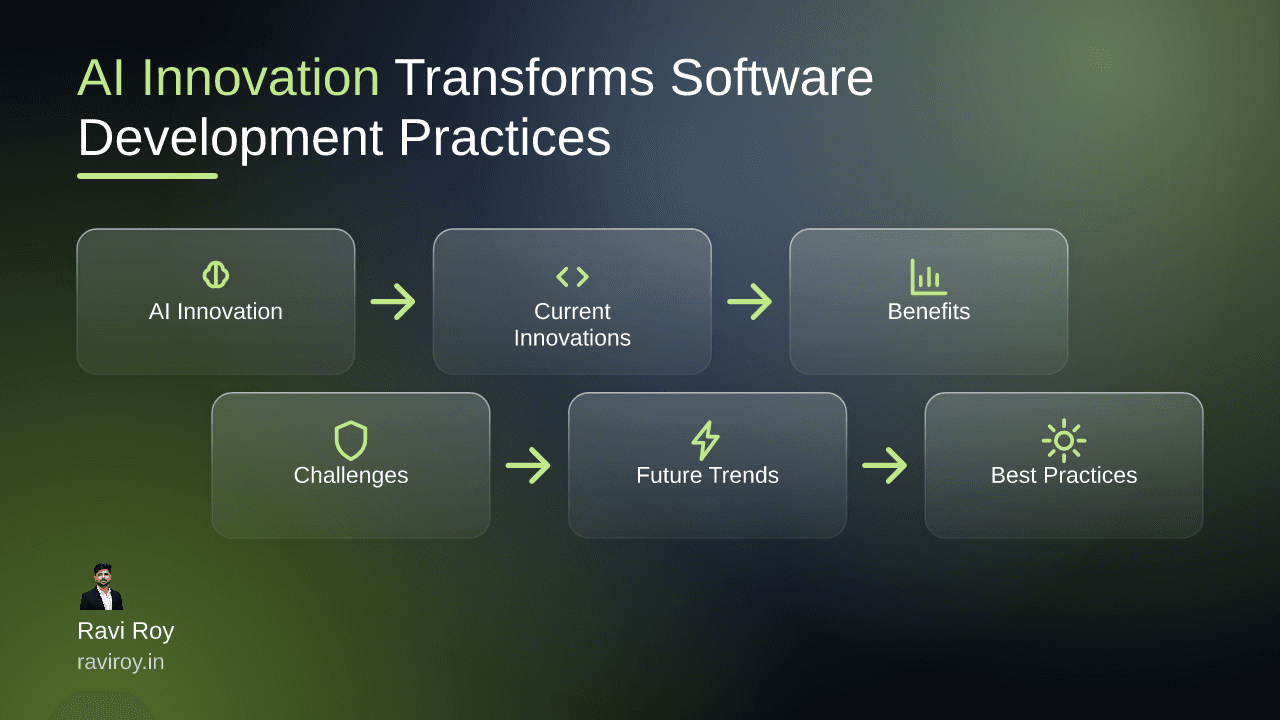
Understanding AI Innovation in Software Development
The realm of software development is undergoing a seismic shift thanks to AI innovation. This transformation not only streamlines processes, but it also reshapes the very fabric of how software is conceptualized and built.
Defining AI Innovation
AI innovation encompasses advancements in artificial intelligence that significantly enhance or even automate various aspects of software development. From intelligent coding assistants to sophisticated testing frameworks, AI plays a crucial role in making development more efficient and effective.
Historical Context of Software Development
To appreciate the impact of AI on software development today, it’s essential to trace its evolution. Traditional software development relied heavily on manual coding, where human error was common and efficiency was often compromised. Fast forward to modern practices, where AI-driven tools enable faster coding, improved testing mechanisms, and more efficient project management. This progression lays the groundwork for understanding the current landscape of software development.
Current AI Innovations Transforming Development Practices
Automated Code Generation
One of the most eye-catching innovations in AI is automated code generation. Tools like GitHub Copilot leverage machine learning algorithms to assist developers in writing code. By analyzing vast amounts of existing code, GitHub Copilot provides real-time suggestions, reducing the need for boilerplate coding and allowing developers to focus on more complex features.
Here's a simple example of how it works:
// Type this line in GitHub Copilot
function calculateArea(radius) {
  return Math.PI * radius * radius;
}

// Copilot Autocompletes
AI in Testing and Debugging
Automated testing is another area where AI has made significant strides. Frameworks like Selenium use AI to automate testing processes, enabling quicker detection of bugs and issues. For instance, AI can analyze patterns from previous test cases to predict where bugs are likely to occur, thus enhancing test coverage and quality assurance efforts. Studies indicate that integrating AI in testing can reduce testing time by up to 30%.
Natural Language Processing Applications
Natural Language Processing (NLP) is revolutionizing documentation and task management for developers. Tools like ChatGPT can help generate comprehensive documentation from code comments, while project management tools now incorporate AI to prioritize tasks based on team workload and deadlines. This allows developers to spend more time coding and less time on menial tasks.
Benefits of Integrating AI Innovations in Software Development
Increased Efficiency
The introduction of AI tools has led to a quantum leap in efficiency. Developers report that leveraging AI-driven solutions can reduce development time significantly—by as much as 40%. With AI automating routine tasks, teams can allocate more resources to innovation and strategic planning.
Enhanced Code Quality
Studies have shown that teams incorporating AI tools experience a marked improvement in code quality. AI can offer suggestions for best practices and catch errors that human reviewers might overlook. According to recent research, integrating AI into the development lifecycle correlates with a 25% reduction in post-deployment bugs.
Better Collaboration Among Teams
AI-driven platforms foster better collaboration among development teams. Tools like Microsoft Teams and Slack are increasingly integrating AI capabilities to analyze communication patterns and provide insights, helping teams identify bottlenecks in collaboration. This leads to a more synchronized workflow and smoother project progression.
Challenges and Limitations of AI in Development
Data Privacy Concerns
While AI brings numerous benefits, it also raises significant data privacy concerns. Using AI tools often requires sharing sensitive data, which can lead to vulnerabilities if not adequately managed. Organizations must tread carefully and comply with legal frameworks to mitigate risks.
Skill Gaps in Workforce
The rapid adoption of AI technologies presents a challenge in terms of skill gaps among developers. Not all teams are equipped with the knowledge or training needed to leverage these tools effectively. Continuous education and investment in training programs are essential to bridge this gap.
Dependence on AI Tools
As teams become increasingly reliant on AI tools, they run the risk of over-dependence. While these tools can enhance productivity, they should not substitute human intuition or expertise. Striking a balance is crucial for sustainable development practices.
Future Trends in AI Innovation and Software Development
Growth of No-Code Solutions
The rise of no-code and low-code platforms is a trend fueled by AI's capabilities. These solutions empower non-technical users to create applications without extensive coding knowledge, thus broadening the developer base. This democratization of software development will likely reshape the industry in the coming years.
Adoption of Predictive Analytics
Predictive analytics is set to become a key feature in software development practices. By utilizing AI to analyze past project data, teams can forecast potential challenges and allocate resources more effectively. This proactive approach can improve project delivery timelines and enhance overall success rates.
The Evolving Role of Developers
As AI systems take on more routine coding tasks, the role of developers is evolving. Future developers will need to focus more on strategic aspects, such as understanding user needs and designing streamlined experiences. Soft skills, like collaboration and critical thinking, will become increasingly important as developers work alongside AI.
Real-World Applications of AI in Software Development
Case Studies
Numerous software companies are already successfully integrating AI into their development practices. For instance, a major banking institution implemented AI-driven automated testing that cut their testing cycle time in half. Similarly, an e-commerce platform adopted predictive analytics, resulting in a 30% increase in customer engagement rates.
Positive Outcomes from AI Integration
These case studies illustrate measurable benefits from AI integration. Enhanced testing accuracy, reduced time-to-market, and more robust code quality are just a few positive outcomes organizations are experiencing through the smart use of AI tools.
Engaging with AI: Best Practices for Development Teams
Building an AI-Driven Culture
Creating an AI-driven culture within development teams involves fostering an environment where experimentation and learning are encouraged. Regular workshops and collaborative brainstorming sessions can instill an AI mindset, driving innovation.
Encouraging Continuous Learning
Further upskilling is paramount. Continuous education programs focused on AI tools and technologies will equip developers with the skills they need to thrive in this evolving landscape. Investing in professional development not only benefits the individuals involved but also strengthens the organization.
How has AI innovation changed your software development practices? Share your experiences below!
💬 Join the conversation — share your take in the comments and tell us what you’d add.