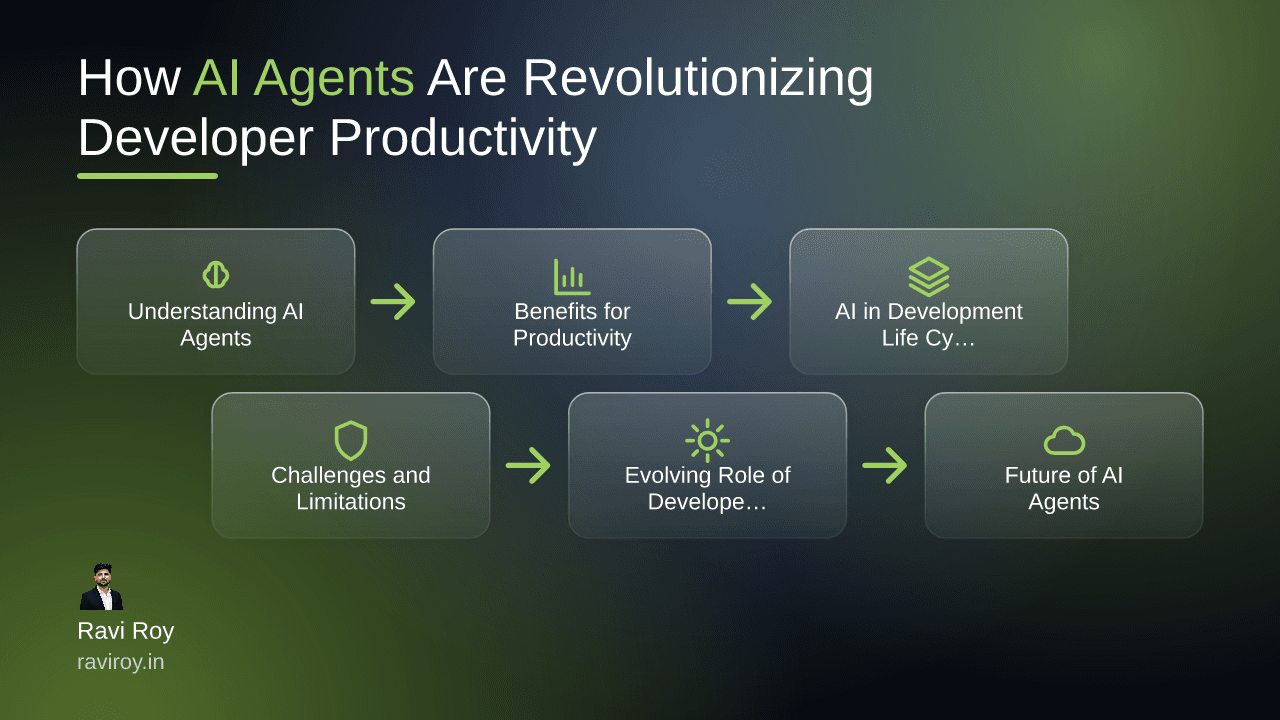
Understanding AI Agents in Software Development
Defining AI Agents
AI agents are sophisticated tools designed to assist developers by automating repetitive tasks, analyzing data, and providing intelligent recommendations. In the software development context, these agents can review code, suggest optimizations, and even generate snippets, significantly reducing the amount of time spent on mundane activities. They operate on machine learning algorithms, which allow them to learn from past interactions and improve over time, offering insights that would take a human much longer to discern.
For instance, consider an AI agent integrated into a code repository. It can analyze commits, recognize patterns in coding styles, and suggest best practices while flagging potential bugs before they become an issue. This capability not only streamlines workflows but also enhances the efficiency of the development team.
Current Trends in AI Integration
Recent trends highlight a rapid increase in AI agents being integrated across various stages of the Software Development Life Cycle (SDLC). Companies are deploying these agents not just to assist in coding but to enhance the entire development framework from planning through maintenance. A large part of this shift is driven by real-time data analytics, allowing teams to make informed decisions through predictive models.
Moreover, cloud-based AI services are on the rise, as platforms like AWS and Google Cloud offer powerful tools for developers that leverage AI capabilities. With the backing of these cloud infrastructures, teams can easily integrate AI into their processes without the need for extensive internal resources.
Benefits of AI Agents for Developer Productivity
Increased Efficiency
The most immediate benefit of incorporating AI agents is the considerable boost in productivity—often noted to be between 30% to 50%. By handling repetitive tasks such as code formatting, documentation, and basic debugging, developers can dedicate their cognitive resources to high-level problem-solving and creativity. For example, a developer may spend hours dealing with merge conflicts, but an AI agent could automatically identify the best resolution strategies, drastically reducing the time needed for manual reconciliation.
Enhanced Code Quality
AI agents also play a pivotal role in improving code quality and security. They can automatically apply style guides, spot vulnerabilities, and enforce coding standards. Tools like DeepCode or Codacy can analyze thousands of lines of code, identifying potential flaws or security vulnerabilities that a developer might miss. This not only improves the robustness of software but decreases the likelihood of post-deployment issues, saving time in the long run.
Boosting Team Collaboration
Collaboration is key in software development, and AI agents can facilitate better communication within development teams. By integrating chatbots or AI-powered project management tools, developers can easily share updates, document challenges, and even brainstorm solutions collaboratively. These agents can maintain a continual dialogue, ensuring that everyone is on the same page, ultimately resulting in faster project turnarounds.
AI Agents Across the Software Development Life Cycle
Planning and Design
AI agents are invaluable during the planning and design phases, where they can assist with feasibility analysis, project scoping, and user experience prototyping. Utilizing machine learning models, AI can analyze historical data on similar projects, providing insights into resource allocation and possible roadblocks. This predictive capability can help in setting more realistic timelines and budgets.
Testing and Deployment
During the testing and deployment phase, AI agents take on roles such as automated testing and continuous integration. They can run tests faster than any human can manage, simulating thousands of user interactions and identifying bugs with precision. With tools like Selenium or Test.ai, developers can harness AI to ensure their project is battle-ready, free of critical issues upon release.
Maintenance and Updates
Post-deployment, AI agents continue to add value by monitoring system performance and user feedback. They can automatically trigger alerts for system anomalies, propose patches for known issues, and even proactively suggest system enhancements based on usage patterns. This ongoing maintenance support minimizes downtime and keeps applications user-friendly and efficient.
Challenges and Limitations of AI Agents
Technical Limitations
Despite their advantages, significant technical limitations still exist in the realm of AI agents. They depend on vast amounts of quality data to learn effectively; without it, their suggestions may be less reliable. Additionally, integrating these agents into existing workflows can pose compatibility issues with legacy systems, creating obstacles for teams looking to adopt AI.
Resistance to Change
Another hurdle is the resistance to change from development teams. Many developers may feel threatened by the prospect of AI taking over their roles or doubt the reliability of these tools. Addressing these concerns requires fostering a culture of innovation and education, ensuring that teams understand that these agents are meant to enhance, not replace, human input.
Ethical Considerations
There are also ethical implications tied to the reliance on AI agents. The use of automated coding tools raises questions about accountability, particularly in sensitive areas like data security. If an AI agent suggests a flawed code that results in a data breach, who is responsible? Developers, companies, and policymakers must navigate these unchartered waters thoughtfully, establishing guidelines for the ethical use of AI in software development.
The Evolving Role of Developers with AI Agents
From Coders to Problem Solvers
AI agents are transforming developers’ roles from solely coding to embracing a more holistic problem-solving mindset. As AI takes on repetitive tasks, developers can focus on strategic aspects of projects, such as user requirements and project architecture. This shift not only improves job satisfaction but also nurtures a more innovative workplace culture, as teams can explore creative solutions rather than being bogged down by routine tasks.
The Need for New Skills
To work effectively with AI technologies, developers will need to adapt by acquiring new skills. Understanding machine learning principles, basic data science, and familiarity with AI frameworks will become increasingly important. Developers should also enhance their soft skills, such as communication and teamwork, to collaborate better with both AI tools and human counterparts. Embracing continuous learning is crucial for adapting to this evolving landscape.
Future of AI Agents in Software Development
Emerging Technologies
As we look forward, advancements in AI agents are on the horizon. We can expect the emergence of more sophisticated self-learning systems that adapt in real-time to coding and project management challenges, potentially tracking millions of data points to provide insights. The integration of natural language processing (NLP) will also enhance human-agent interactions, making it easier for developers to query systems about codebases and obtain meaningful responses.
Long-term Industry Changes
AI integration is poised to drive long-lasting changes in the software development landscape. As AI tools become more prevalent, we may see a shift towards more agile development methodologies, where teams rapidly iterate on software products with AI constantly analyzing user feedback and optimizing outputs. This evolution will not only promise faster project delivery but will also reshape the ways teams operate and innovate.
AI agents are paving the way for new efficiencies and capabilities in software development. How have you integrated AI agents into your development workflow, and what results have you seen? Your experiences may help others navigate this transformative journey.
💬 Join the conversation — share your take in the comments and tell us what you’d add.