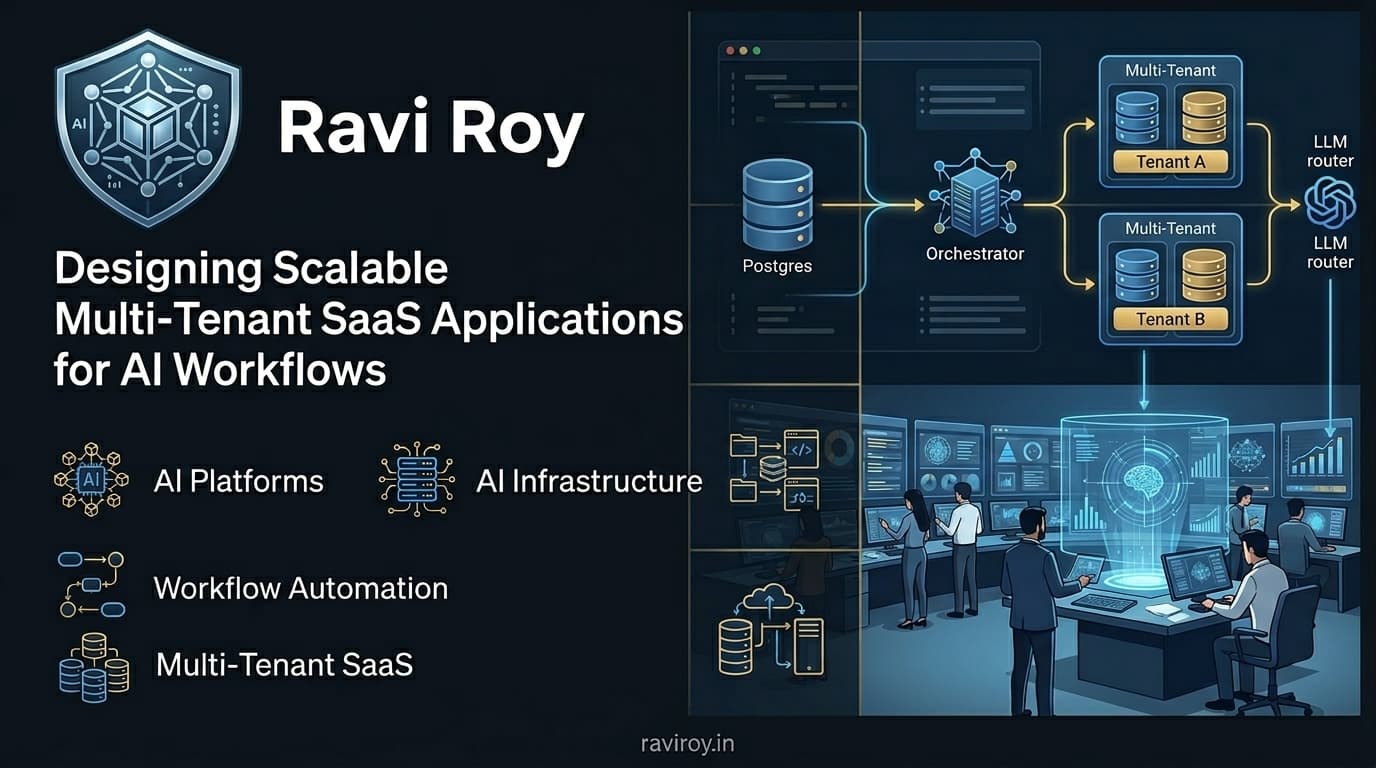
Designing Scalable Multi-Tenant SaaS Applications for AI Workflows
Building a scalable multi-tenant Software as a Service (SaaS) application can feel like navigating a complex labyrinth, especially when integrating AI workflows. However, understanding the architecture behind multi-tenancy can transform this challenge into an opportunity for innovation and efficiency.
Understanding Multi-Tenant SaaS Architecture
What is Multi-Tenant SaaS?
Multi-tenant SaaS architecture is a model where a single instance of an application serves multiple tenants, each with their own distinct data and configurations. In this setup, each tenant operates in a shared environment but remains isolated from others. This core concept enables organizations to maximize resource utilization while maintaining flexibility and scalability across diverse workload requirements, particularly for AI workflows.
Benefits of Multi-Tenant Architecture
The advantages of adopting a multi-tenant architecture extend beyond mere cost savings. Organizations leveraging this model can expect significant benefits:
Cost-Effectiveness and Resource Sharing: By sharing resources across tenants, companies can drastically reduce infrastructure and operational costs. This financial model allows for a more efficient allocation of both capital and human resources.
Scalability for AI Workflows: Multi-tenant architectures inherently enhance scalability. With the growing demands of AI, especially for processing large datasets and running complex algorithms, this architecture enables on-the-fly scaling, thereby accommodating fluctuating resource needs without compromising performance.
Design Principles for Multi-Tenant SaaS Applications
Creating a successful multi-tenant SaaS application depends on a robust design that addresses several crucial aspects.
Separation of Data and Tool Access
Effective separation of data ensures that tenants cannot access each other's information. This design principle is vital not only for maintaining privacy but also for building trust among users. Implementing clear data access protocols is a key step in this process.
Tenant-Aware Data Design
AI workflows often require specific datasets tailored to individual users. Adopting a tenant-aware model allows for both shared and tenant-specific data storage, optimizing resource usage while enhancing user experience. This could involve partitioning data so that general resources are shared, but sensitive data remains isolated.
Security and Compliance in Multi-Tenant Environments
Security cannot be an afterthought in multi-tenant architectures. Organizations must navigate various compliance requirements and implement stringent security protocols to protect tenant data. Establishing clear guidelines for data management and user access is critical for mitigating risks and maintaining compliance.
Hybrid Tenancy and AI-Driven Resource Orchestration
In a rapidly evolving digital landscape, hybrid tenancy models offer a balanced approach that caters to dynamic workloads common in AI applications.
Hybrid Tenancy Models
Hybrid models combine various tenancy strategies, providing flexibility in how resources are allocated and managed. This enables organizations to dynamically adjust their infrastructure based on current demand. For example, critical applications may leverage dedicated resources, while less critical ones utilize a shared framework.
Resource Management for AI Workflows
AI workflows necessitate effective resource orchestration to manage computational requirements seamlessly. By leveraging AI-driven solutions for resource management, businesses can optimize their systems to allocate resources dynamically, improving performance and cost efficiency. Integrating technologies like Kubernetes facilitates effective management, allowing for elastic scaling based on workload conditions.
Infrastructure for Scalable Inference in Multi-Tenant SaaS
Selecting the right infrastructure is integral to ensure scalable inferences in a multi-tenant architecture.
Choosing the Right Infrastructure
The choice of infrastructure deeply influences the application's performance and scalability. Options range from traditional cloud services to modern serverless architectures, each carrying its own benefits and challenges. Assessing these options based on specific use cases—especially in AI-driven applications—can lead to more informed decisions.
Cost-Efficient GPU Sharing
With AI workloads frequently relying on GPU resources, mechanisms must be established for efficient sharing. Implementing well-designed orchestration solutions can maximize GPU usage without overspending, allowing tenants to benefit from high-performance computing without financial strain.
Governance and Observability in Multi-Tenant SaaS
Ensuring effective governance and observability is paramount for maintaining control over multi-tenant environments.
Centralized Governance with Per-Tenant Controls
Establishing a centralized governance structure can streamline operations while allowing for per-tenant customizations. This empowers tenants to manage their own environments within set guidelines, reducing reliance on centralized teams.
Monitoring and Performance Metrics
Real-time monitoring tools offer insights into application performance, helping organizations identify bottlenecks and improve user experience. Implementing comprehensive observability strategies ensures that performance metrics are not just tracked but also leveraged for continuous improvement.
Ensuring Tenant Isolation and Preventing Cross-Tenant Leakage
Safeguarding tenant data from unauthorized access is crucial for maintaining trust in a multi-tenant architecture.
Detecting and Preventing Cross-Tenant Leakage
Organizations must actively defend against potential cross-tenant leakage, which can occur through various vulnerabilities in system architecture. Employing diligent monitoring and anomaly detection techniques can help identify any issues early on.
Database Design for Strong Tenant Isolation
A well-structured database plays a vital role in ensuring robust tenant isolation. Utilizing partitioning, encryption, and optimized access controls can demonstrate effective data isolation strategies. Real-world case studies highlight how these approaches effectively prevent unauthorized access and enhance overall security posture.
As AI continues to reshape the SaaS landscape, designing scalable multi-tenant applications remains both a challenge and an opportunity. By adhering to the principles outlined in this guide, organizations can create robust, efficient, and secure environments tailored for diverse workflows.
Ready to design your multi-tenant SaaS application? Contact us for expert guidance!