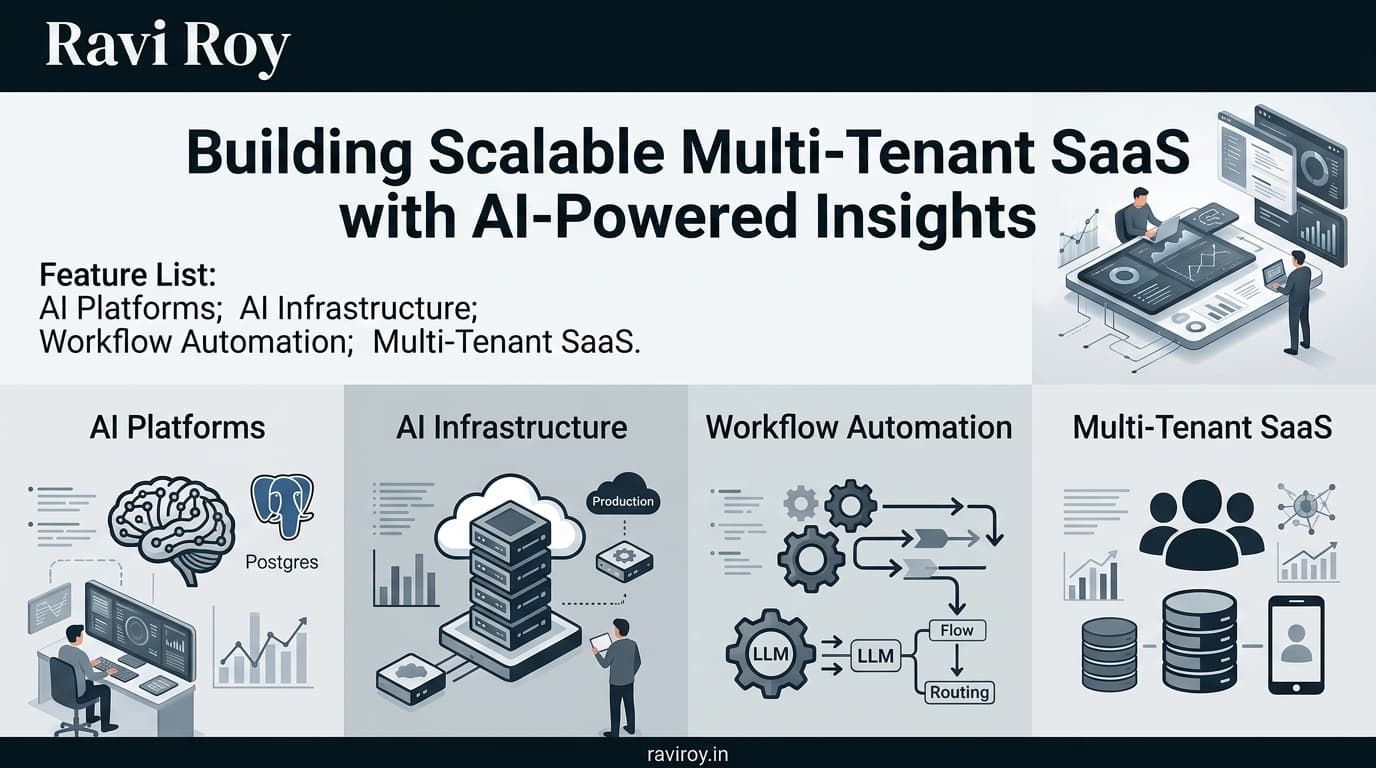
Understanding Multi-Tenant SaaS Architecture
Building scalable multi-tenant SaaS applications is not just a trend; it’s a necessity for modern businesses looking to leverage economic efficiencies and streamline resource utilization. At the heart of this architecture lies multi-tenancy, a model where a single instance of a software application serves multiple customers (tenants).
What is Multi-Tenancy?
Multi-tenancy contrasts sharply with single-tenancy, where a distinct instance of the application is created for every client. In a multi-tenant setup, tenants share the same database and application resources, leading to reduced infrastructure costs and maintenance efforts. Each tenant's data is isolated within the same codebase, mitigating overhead expenses while offering the flexibility to scale rapidly.
Benefits of Multi-Tenant SaaS
The economic advantages of multi-tenant architecture are significant. This model enhances resource utilization, allowing companies to efficiently allocate server space and bandwidth among tenants. With a single deployment for multiple clients, software updates and maintenance can be executed seamlessly across all tenants, eliminating the need for redundant work. Moreover, the rapid onboarding of new clients can become a reality due to shared resources and streamlined processes.
Building a Scalable Multi-Tenant SaaS Application
Creating a scalable multi-tenant SaaS application requires carefully curated architecture and foundational elements. Understanding these key components is critical for long-term success.
Key Components of a Multi-Tenant AI SaaS Architecture
The primary components crucial for a successful multi-tenant AI SaaS architecture include databases, orchestration frameworks, and APIs. A robust database design is essential, often involving shared databases with tenant-specific data segmentation strategies to ensure privacy and compliance. Orchestration frameworks facilitate seamless resource management while APIs provide the necessary connectivity between components.
Challenges in Building Scalable Multi-Tenant SaaS
Despite the clear benefits, scalability poses significant challenges in multi-tenant systems. Load balancing becomes critical as varying usage patterns among tenants can lead to performance degradation. Furthermore, tenant segmentation ensures that resources are appropriately allocated without compromising the shared architecture. Implementing Kubernetes can be invaluable in addressing these issues, as it enables cloud-native autoscaling, ensuring optimal resource utilization.
Leveraging AI for Enhanced Scalability
AI is redefining the landscape of scalable multi-tenant SaaS applications, assisting in smarter resource allocation that boosts performance and minimizes downtime.
AI-Driven Resource Allocation
Integrating AI into multi-tenant architectures empowers organizations to engage in intelligent resource management. By evaluating real-time data, AI can allocate resources dynamically based on current usage trends. This not only improves operational efficiency but also reduces instances of service interruption, keeping tenant satisfaction at its peak.
Predicting Tenant Resource Usage
Predictive modeling is an essential tool for anticipating tenant needs and optimizing resource allocation. Through analyzing historical usage patterns, organizations can forecast demands accurately, thus allowing proactive scaling. Metrics show that companies leveraging AI for predictive modeling can achieve significant productivity improvements, often resulting in lower operational costs and enhanced service delivery.
Ensuring Tenant Isolation and Security
In a multi-tenant environment, security and tenant isolation are paramount. Adhering to best practices not only protects sensitive information but also ensures compliance with industry regulations.
Best Practices for Tenant Isolation
Implementing strict tenant isolation is crucial. Utilizing virtualized resources allows individual tenants to operate within their own space, safeguarding data integrity while still benefiting from shared resources. Techniques such as data encryption and access control policies further enhance security measures, ensuring that sensitive information remains confidential.
Compliance and Data Security Considerations
Compliance with standards such as GDPR and CCPA is non-negotiable in any multi-tenant SaaS offering. Security protocols must be clearly defined, with a focus on data encryption, user authentication, and audit logging. This not only protects tenant data but also builds trust and credibility in the market.
Tenant Lifecycle Management and Self-Service Configurations
Efficient tenant lifecycle management and robust self-service options can drastically improve customer satisfaction and operational efficiency.
Managing the Tenant Lifecycle
Onboarding and offboarding tenants should be streamlined processes. Effective lifecycle management involves regular communication and automation to minimize friction during transitions. Additionally, using analytics to track tenant behavior can aid in ongoing engagement.
Empowering Tenants with Self-Service Features
Empowering tenants with self-service tools enhances the user experience by allowing them to manage their configurations without needing extensive support. Examples of successful self-service implementations include intuitive dashboards and customizable settings that enable tenants to design their own workflows.
Operational Standardization and Integrated XOps
Establishing operational standardization combined with integrated XOps practices significantly enhances the efficiency of multi-tenant SaaS applications.
Achieving Consistency Across Operations
XOps—an umbrella term for various operational excellence frameworks—involves aligning all operational practices to ensure consistency. By defining clear processes, organizations can facilitate smoother deployments, quicker recoveries from outages, and reliable service overall.
Importance of XOps in Multi-Tenant SaaS
The role of XOps in optimizing SaaS operations cannot be overstated. When all teams—development, operations, and security—collaborate within a standardized framework, the results are amplified. Case studies reveal that companies adopting XOps practices see improved collaboration and fewer silos, translating directly into enhanced customer service and satisfaction.
Building scalable multi-tenant SaaS applications isn’t just about technology; it’s about creating an ecosystem where each tenant thrives independently while benefiting from shared resources.
To learn more about building effective multi-tenant SaaS applications, explore our resources on best practices and emerging technologies.