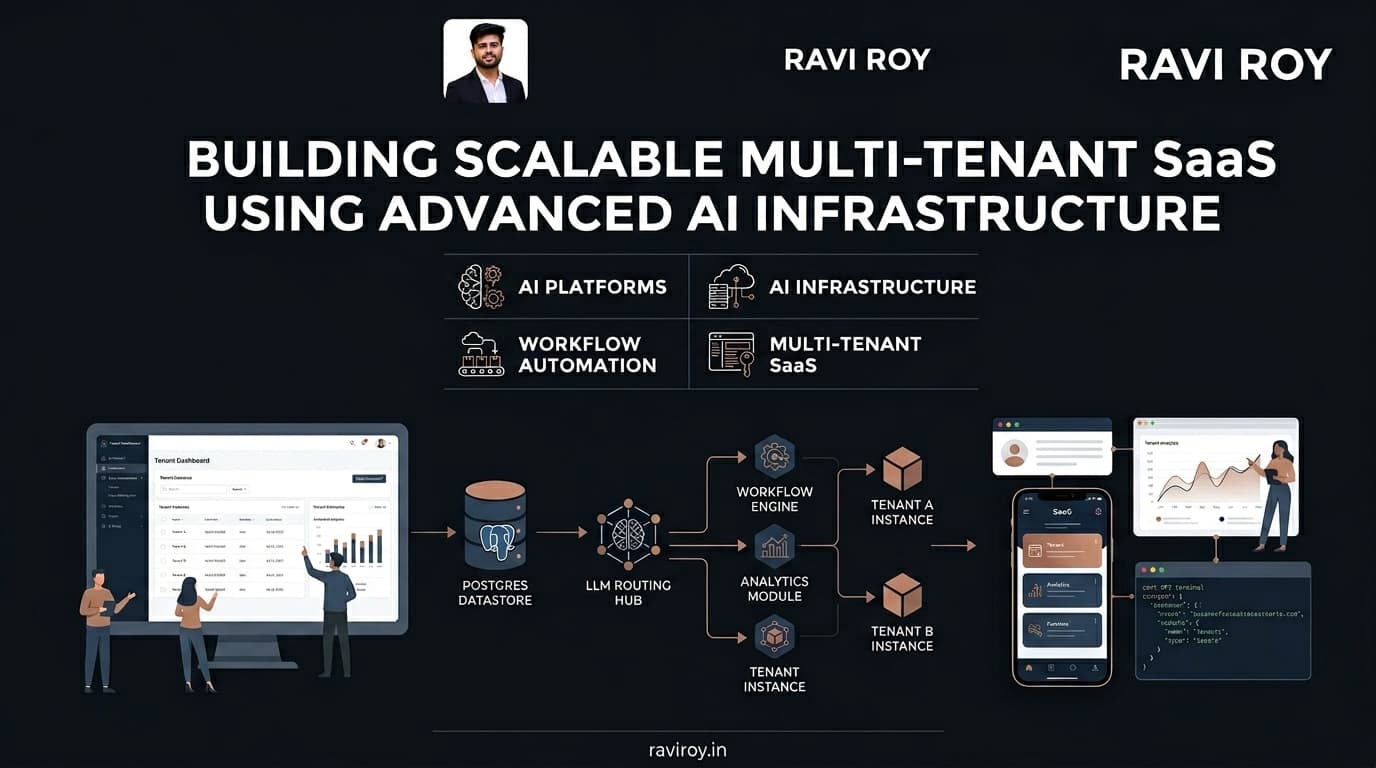
Understanding Multi-Tenant SaaS Architecture
What is Multi-Tenant SaaS?
Multi-tenant Software as a Service (SaaS) is a cloud computing architecture where a single instance of a software application serves multiple tenants, or customers. Each tenant's data is isolated and remains invisible to others, while they share the underlying infrastructure, such as servers and databases. This model not only enhances efficiency but also drives down costs, making it a popular choice for businesses looking to scale without losing performance.
Benefits of Multi-Tenant SaaS Architecture
The benefits of adopting a multi-tenant SaaS model are compelling. Cost efficiency is perhaps the most significant advantage; businesses can drastically reduce overhead by sharing resources. Scalability is another crucial factor—the ability to easily add new tenants without major disruptions to existing users is a game-changer. Furthermore, simplified maintenance and updates mean that software providers can deploy upgrades across the board seamlessly, ensuring that all tenants benefit from the latest features and security enhancements.
Key Design Elements
Several key design elements are pivotal in constructing a robust multi-tenant SaaS architecture. Tenant isolation is crucial; it ensures that one tenant's data remains entirely separate from another’s, safeguarding privacy. This could be achieved through application-layer isolation or database strategies. Shared resources must also be thoughtfully designed to optimize performance while maintaining security and compliance. Carefully balancing these elements can lead to a flourishing SaaS offering.
Implementing Advanced AI in Multi-Tenant SaaS
AI-Native Architecture
In an increasingly digital world, leveraging an AI-native architecture can significantly enhance the capabilities of a multi-tenant SaaS application. By integrating AI into the core platform, businesses can develop self-learning systems that optimize resource allocation and improve user experience in real time. This architecture not only boosts performance but also provides deeper insights into tenant behavior, allowing for tailored services that can scale as needed.
Predictive Resource Management
Predictive resource management transforms the way multi-tenant environments operate. By utilizing advanced algorithms that analyze usage patterns, SaaS platforms can forecast future resource needs and automate scaling processes. This proactive approach not only ensures optimal performance during peak times but also reduces latency, ultimately enhancing tenant satisfaction (see more).
Tenant-Specific AI Features
Implementing tenant-specific AI features like intelligent copilots is becoming a necessity rather than a luxury. By customizing experiences for each tenant, businesses can maintain engagement and drive usage. For example, an AI assistant could provide personalized recommendations based on past user behavior or automate mundane tasks, freeing up valuable time for users to focus on growth.
Ensuring Data Isolation and Security
Tenant Isolation Techniques
Implementing effective tenant isolation techniques is vital to maintaining data integrity and security in a multi-tenant environment. Techniques like row-level security or schema-based isolation provide varying levels of data segregation, ensuring that sensitive information remains confidential. An efficient isolation strategy not only builds trust but also helps in compliance with various data protection regulations.
Authentication and Authorization Practices
Robust authentication and authorization practices are essential in safeguarding tenant data. Utilizing multi-factor authentication, role-based access control, and strong password policies can create layers of security that deter unauthorized access. Regular audits and updates to these security practices will further enhance your protection measures (learn more).
Preventing Noisy Neighbor Effects
The “noisy neighbor” effect occurs when one tenant's resource consumption adversely impacts others'. To mitigate this, businesses can employ resource quotas and metering strategies, ensuring that no single tenant can monopolize shared resources. Implementing quality of service (QoS) strategies can also help balance loads effectively, providing each tenant with the performance level they expect.
Choosing the Right Database Strategy
Shared vs. Separate vs. Hybrid Databases
Choosing the right database strategy is critical for overall performance and scalability. Shared databases offer cost efficiency and ease of maintenance but may complicate data access and security. Separate databases provide better isolation and security but can drive up costs and complicate management. A hybrid approach, balancing strengths from both strategies, often provides the most flexibility in growing multi-tenant applications.
Best Practices for Database Management
Effective database management in a multi-tenant setup involves routine backups, automated scaling, and performance monitoring. Regular performance audits can help to identify and resolve bottlenecks. Additionally, utilizing database indexing can significantly speed up data retrieval processes, enhancing the overall user experience.
Centralized Governance and Compliance
Importance of Centralized Governance
Centralized governance is essential for managing multi-tenant environments effectively, especially in AI-driven SaaS. It ensures consistent policy application across all tenants and simplifies compliance with regulations such as GDPR or CCPA. By having a unified governance framework, businesses can maintain service quality and tenant trust.
Compliance and Auditing Mechanisms
Implementing robust compliance strategies is non-negotiable in today's digital landscape. Regular audits, detailed logs, and transparent reporting can keep tenants informed about how their data is managed. Furthermore, introducing compliance-by-design principles can streamline adherence to legal requirements from the start, mitigating risks of penalties and breaches (dive deeper).
Utilizing Cloud Technologies for Scalability
Cloud-Native Elasticity Explained
Cloud-native elasticity allows multi-tenant SaaS applications to dynamically scale their resources in response to real-time demand. This means that during peak usage times, applications can automatically allocate additional resources, ensuring smooth operation. Such scalability is vital for retaining users and enhancing the user experience.
Kubernetes and Caching for Performance
Leveraging tools like Kubernetes can enhance management and scalability of containerized applications. Kubernetes allows for automated deployment, scaling, and management of applications, leading to exceptional operational efficiency. Additionally, implementing caching strategies can dramatically reduce strain on databases and speed up response times, improving overall application performance.
Real-World Case Studies
Successful Implementations of Multi-Tenant AI SaaS
There are numerous success stories of companies effectively deploying multi-tenant AI SaaS platforms. For instance, a leading CRM provider leveraged AI to enhance user experience while maintaining data integrity and security across its multi-tenant architecture. These implementations serve as prime examples of the possibilities available when advanced AI infrastructure is integrated into a robust multi-tenant setup.
Lessons Learned from Industry Leaders
Industry leaders have shown us that creating a scalable multi-tenant SaaS isn’t merely about technology but also about understanding business needs. Tailoring solutions for diverse tenant requirements while ensuring security and performance creates a pathway for sustainable growth. The collected experiences from these leaders provide invaluable lessons on avoiding common pitfalls and maximizing success in the competitive SaaS landscape.
Ready to start building your multi-tenant SaaS platform with advanced AI? Contact us for expert guidance!