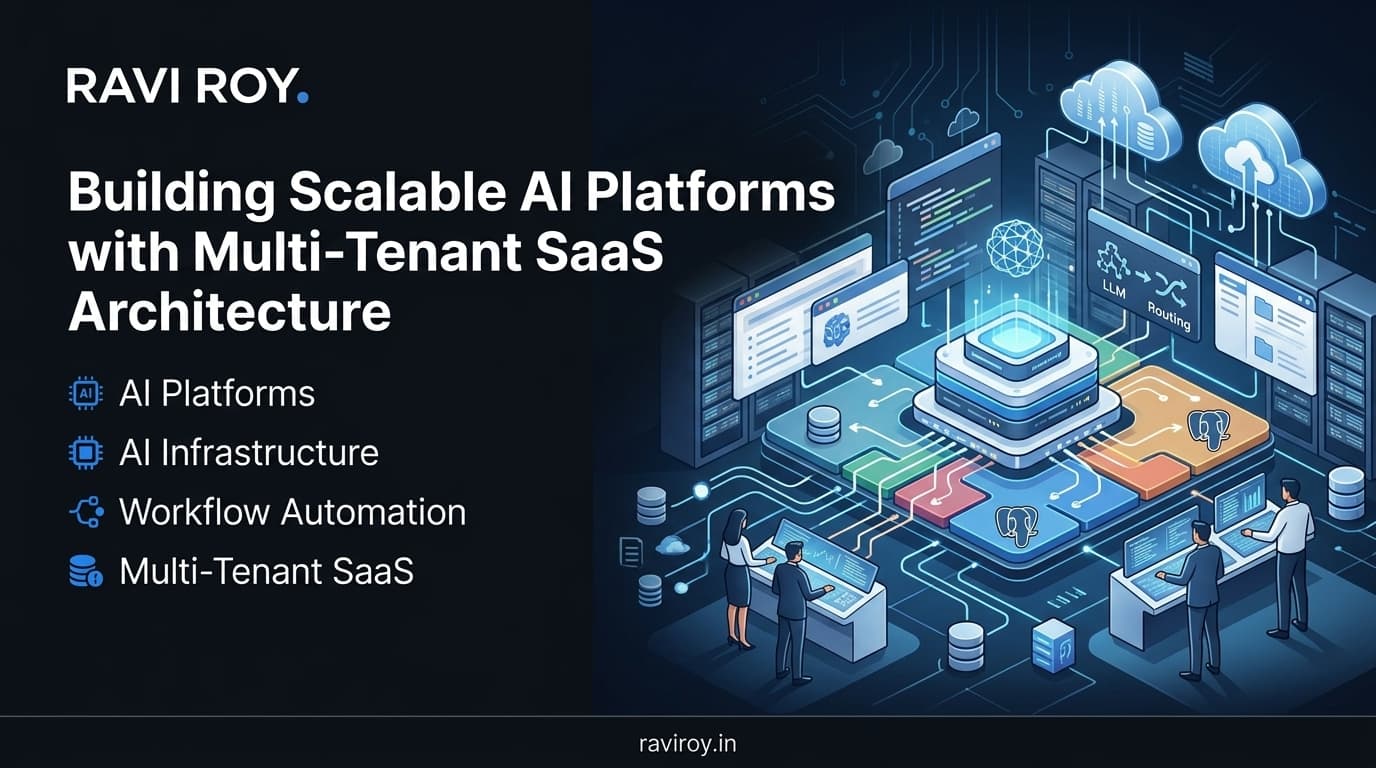
Understanding Scalable AI Platforms
Building scalable AI platforms hinges on the essence of scalability itself. A scalable AI platform not only supports a growing number of users but also adapts to increasing data volumes and processing speeds without compromising performance. This flexibility is crucial as organizations strive to harness the full potential of artificial intelligence.
What Makes an AI Platform Scalable?
The definition is straightforward: a scalable AI platform can handle growth seamlessly. Several factors contribute to this scalability:
User Load: The architecture must efficiently handle increasing numbers of concurrent users.
Data Volume: It needs to manage large datasets without latency.
Processing Speed: Fast response times are essential for user satisfaction and efficacy.
Key architectural components enabling scalability include microservices, load balancers, and distributed computing systems. These elements work in harmony to enhance the platform's capability to grow while maintaining high performance.
Key Features of Scalable AI Platforms
Scalable AI platforms possess several essential features:
Elasticity: Automatic resource adjustment based on demand.
Resilience: Robust systems that can tolerate and recover from failures.
Load Balancing: Efficient distribution of workloads across servers.
These features ensure that performance is both reliable and efficient, laying the groundwork for modern AI applications.
The Role of Multi-Tenant SaaS Architecture
Multi-tenant SaaS architecture is pivotal in constructing scalable AI platforms. It allows multiple users (or tenants) to share the same application instance while ensuring their data remains isolated and secure.
How Multi-Tenancy Works
In a multi-tenant model, a single software instance serves multiple customers. This approach reduces operational costs and simplifies updates, as changes are made in one location rather than on individual systems.
Benefits of Multi-Tenant SaaS for AI
The advantages of adopting a multi-tenant design in AI include:
Cost Efficiency: Shared resources cut down on infrastructure expenses.
Scalability: Easily scale services across all tenants as user demand increases.
A case study of a healthcare AI platform illustrated effective multi-tenant implementation, successfully handling millions of patient records while maintaining individual privacy standards, demonstrating how scalability can coexist with data security.
Ensuring Tenant Isolation
Tenant isolation is a critical concern for any scalable AI platform. Without robust isolation, tenants could potentially access each other's data, leading to severe breaches in security and performance degradation.
Importance of Tenant Isolation
Ensuring robust tenant isolation is vital for maintaining security and enhancing performance. Poor isolation may lead to data leaks, impacting user trust.
Methods for Implementing Tenant Isolation
Strong tenant isolation can be achieved through several techniques, such as:
Data Encryption: Ensuring that each tenant's data is encrypted using unique keys.
Access Control: Implementing robust role-based access controls.
Successful strategies for tenant isolation have been seen in cryptocurrency platforms that manage differing customer data yet ensure total data integrity through superior isolation practices.
Optimizing Performance with Kubernetes
Leveraging cloud-native technologies like Kubernetes can dramatically enhance the performance of scalable AI platforms.
Cloud-Native Autoscaling with Kubernetes
Kubernetes supports autoscaling, automatically adjusting resources based on demand. This capability helps in managing high loads without human intervention, hence supporting scalability.
Best Practices for Managing Resources
Resource Requests and Limits: Ensure optimal resource allocation without overspending.
Horizontal Pod Autoscaling: Automatically scale the number of pods (containers) as needed.
Employing these best practices in multi-tenant environments significantly improves efficiency while maintaining necessary service levels.
Lifecycle Management in AI Platforms
MLOps and GenAIOps are crucial for maintaining the effectiveness of scalable AI platforms through continuous integration and delivery processes.
Introduction to MLOps and GenAIOps
MLOps focuses on collaboration between data scientists and operations, while GenAIOps optimizes operational workflows. Together, they ensure that AI models are updated and maintained efficiently.
Tools for AI Lifecycle Management
Tools like TensorFlow, MLflow, and Kubeflow streamline lifecycle management processes, from training and deployment to monitoring. Effective lifecycle management leads to sustained scalability by enabling timely updates and improvements.
Governance and Cost Efficiency
Scalability must also align with governance and cost efficiency for successful AI implementations.
Implementing Centralized Governance
Centralized governance helps organizations maintain control over AI operations, ensuring compliance and security across shared resources. This reduces redundancy and enhances operational efficiency.
Cost Optimization Strategies
Strategies such as:
Cloud Resource Management: Optimizing the use of cloud resources to prevent over-provisioning.
Audit and Review: Regular audits of system performance to identify inefficiencies.
Real-world examples demonstrate how organizations have achieved cost-effective scaling in AI platforms by meticulously analyzing and adjusting their resource strategies.
Future Trends in AI Platforms
As technology evolves, so does the landscape of scalable AI platforms.
AI-Driven Orchestration and Workload Prediction
Leveraging AI for orchestration can improve operational efficiency by predicting workloads, ensuring that resources are deployed effectively based on anticipated demand.
Emerging Technologies and Their Impact
New technologies such as serverless architecture and edge computing are beginning to influence the development of scalable AI platforms, offering further potential for enhanced resource management and responsiveness.
To learn more about designing your scalable AI platform, get in touch with us today!