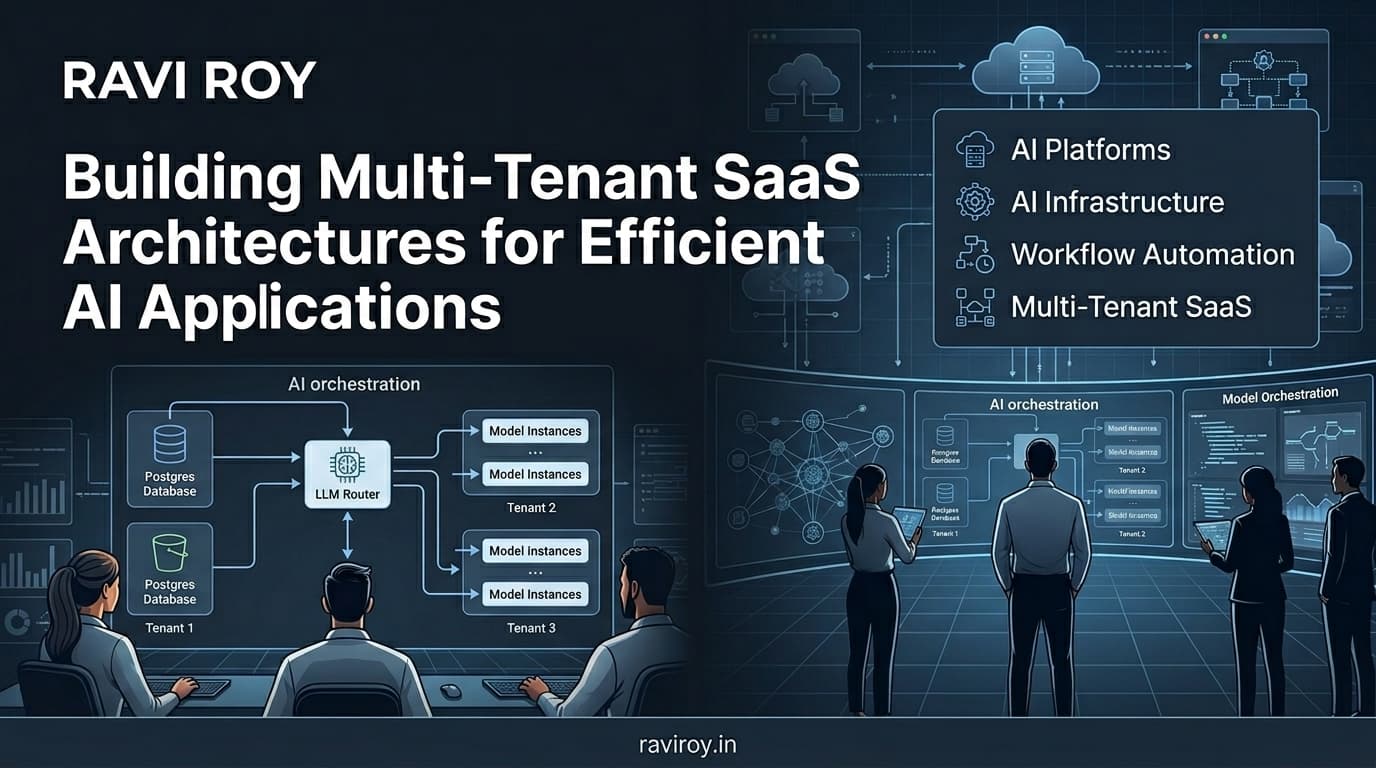
Building Multi-Tenant SaaS Architectures for Efficient AI Applications
Creating robust multi-tenant SaaS architectures is critical for the future of AI applications. With the demand for scalable and efficient digital solutions soaring, understanding the intricacies of these architectures will set your SaaS offerings apart in a competitive landscape.
Understanding Multi-Tenant SaaS Architectures
What is Multi-Tenant SaaS?
Multi-tenant Software as a Service (SaaS) leverages a single instance of an application to serve multiple clients or “tenants.” Each tenant's data is isolated while still utilizing shared resources, allowing businesses to maximize efficiency and minimize costs. This architecture supports collaborative environments, enhances resource optimization, and facilitates rapid deployment.
Benefits of Multi-Tenant Architectures
The cost savings offered through resource sharing cannot be overstated. By pooling resources, companies can reduce operational expenses significantly. Furthermore, this architecture supports scalability, where adding new tenants doesn't strain existing resources or require extensive downtime for updates. Continuous updates are easier to roll out because only one version of the application needs to be maintained, promoting swift iterations in feature enhancements.
Best Practices for Ensuring Tenant Isolation
In the realm of AI applications, tenant isolation is paramount. Prioritizing privacy through robust isolation techniques is not just best practice; it's necessary to maintain tenant trust.
Privacy Concerns in AI Systems
As data becomes increasingly sensitive, maintaining tenant privacy poses unique challenges. AI systems that lack strong safeguards risk exposing confidential information; thus, establishing sound tenant isolation is essential for compliance and client confidence.
Technical Approaches to Isolation
To achieve effective isolation, architectural choices play a significant role. Implementing dedicated databases or schemas for each tenant can bolster security, ensuring that data leaks are avoided. Technologies like Kubernetes can be instrumental in achieving this isolation, using features that allow efficient management of resources across different tenants.
Managing Cost Optimization for AI Workloads
Cost management becomes even more critical when dealing with AI workloads in a multi-tenant environment. Inefficiencies can lead to skyrocketing costs that threaten profitability.
Strategies for Cost-Aware Inference Design
Optimizing AI workloads efficiently involves using methodologies that reduce resource consumption while maintaining performance. Techniques like model pruning and quantization can alleviate costs without sacrificing quality. Moreover, implementing monitoring tools can help track resource usage, making it easier to identify areas needing improvement.
Per-Tenant Cost Attribution
Tracking costs per tenant enables businesses to distribute expenses equitably. Metrics such as usage patterns and workload demands can help ascertain cost allocation, striking a balance between shared and isolated components while maintaining transparency.
Customizing AI Models for Different Tenants
Personalizing AI models for various tenants presents its own set of challenges and complexity.
Personalization vs. Complexity
Balancing the need for tenant-specific adaptations against the complexity these adjustments introduce is no easy feat. It's vital to architect AI systems that can provide personalized experiences without becoming overly complicated to manage.
Implementation Techniques
Methods like transfer learning allow for efficient model adaptation, enabling customization without extensive retraining. Case studies on successful multi-tenant AI models offer insights into effective approaches, demonstrating that organizations can indeed cater to diverse needs while adhering to best practices.
Kubernetes for Scaling Multi-Tenant Applications
Kubernetes is a game-changer for managing multi-tenant applications, providing the tools necessary for dynamic scaling and resource management.
Autoscaling in Kubernetes
Kubernetes automates scaling based on real-time demand. Configuring autoscaling allows resources to elevate when loads peak and retract when they decrease, ensuring that performance remains consistent without incurring unnecessary costs.
Resource Quotas and Management
Implementing resource quotas protects against resource overutilization, preventing any one tenant from monopolizing shared resources. This balance fosters a healthier environment for all tenants while maintaining system reliability.
Operational Maturity with Tenant Metrics
Operational excellence in multi-tenant SaaS environments hinges on thoughtful metrics and monitoring strategies.
Monitoring Solutions for Multi-Tenant Environments
Investing in robust monitoring tools is essential for maintaining tenant-specific metrics. This enables organizations to track performance, resource usage, and responsiveness effectively, ensuring tenants receive the quality service they expect.
Billing and Reporting Strategies
Operational best practices in financial tracking and billing are crucial. Transparency in tenant analytics not only fosters trust but aids in effective communication, helping tenants understand their resource consumption and costs clearly.
Security Considerations in Multi-Tenant AI Applications
With the increasing complexity of multi-tenant systems, security becomes a pressing concern.
Identifying Security Threats
Unique security threats accompany multi-tenant architectures, from unauthorized access to data breaches. Understanding these risks is the first step toward formulating robust security measures that protect both the application and its tenants.
Implementing Security Controls
To mitigate these risks, implementing essential security controls and best practices is vital. Frameworks for ongoing risk assessments promote a proactive stance towards security management, ensuring that vulnerabilities are addressed before they can be exploited.
Building an effective multi-tenant SaaS architecture for AI applications requires a comprehensive understanding of both the opportunities and challenges present. Emphasizing tenant isolation, cost optimization, customization, and security creates a successful platform for delivering value to each client.
Ready to elevate your SaaS architecture for AI? Contact us to explore personalized solutions tailored to your specific needs.