Boost Developer Productivity with Automation in Software Engineering
The push for efficiency in software engineering is not just a trend; it's a necessity. With the rise of automation, developers now have the tools to not only streamline their workflows but also enhance their productivity significantly. This post will dive into how automation is reshaping the landscape of software development and how you can leverage these advancements to supercharge your work.
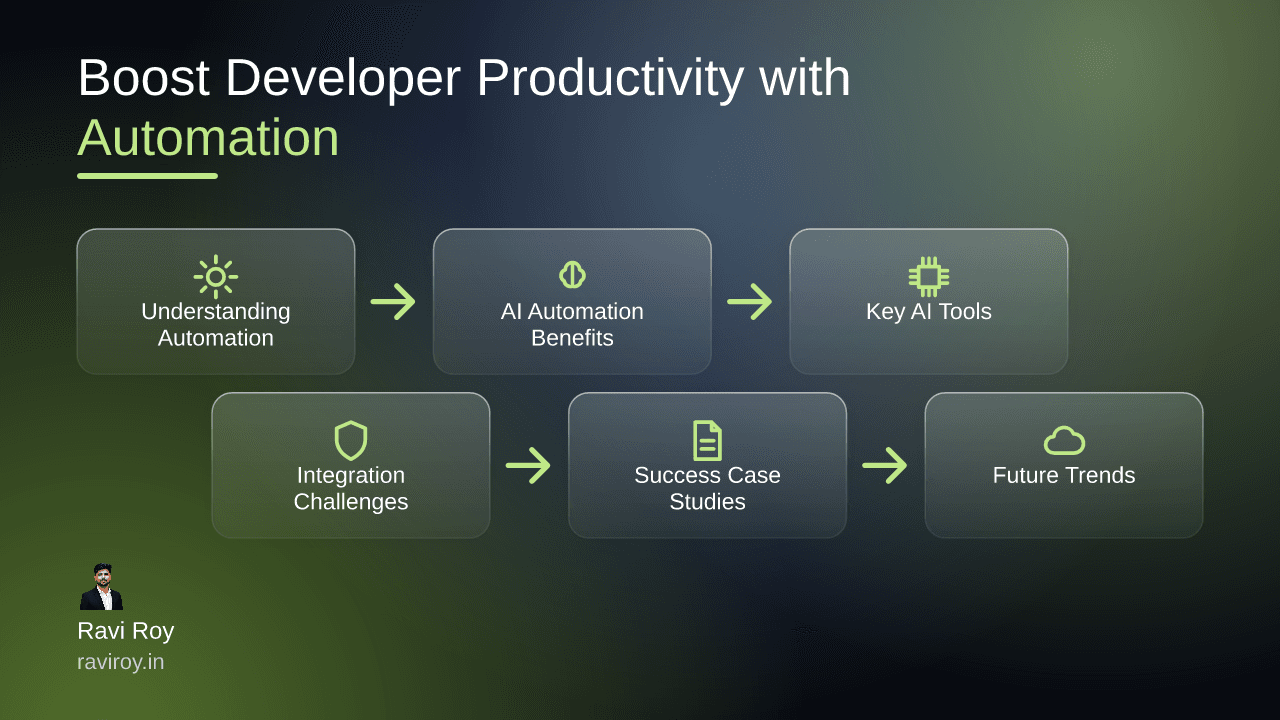
Understanding Automation in Software Engineering
What is Automation?
Automation in software engineering refers to the use of technology to perform tasks with minimal human intervention. This involves a range of processes, such as coding, testing, deployment, and monitoring, designed to reduce manual effort and increase precision. By automating routine tasks, developers can focus on complex problem-solving and innovative work rather than mundane chores.
Importance of Automation in Development
The relevance of automation can't be overstated. It reshapes development practices by introducing efficiency and consistency into workflows. When automation is integrated thoughtfully, it leads to faster delivery times, reduced error rates, and ultimately, a significant boost in developer productivity. Many organizations have already begun to realize these benefits, paving the way for more agile and responsive development environments.
How AI Automation Improves Developer Productivity
Reducing Repetitive Tasks
One of the most substantial advantages of AI automation in software engineering is its ability to reduce repetitive tasks. For instance, version control systems can automate the management of code changes, while bug tracking tools can intelligently prioritize and assign reported issues. These automations allow developers to spend less time on manual tasks and more on coding and innovation. Tools like GitHub Copilot are excellent examples, offering suggestions and auto-completions based on context and prior code history.
Enhancing Code Quality
AI-driven tools also contribute significantly to enhancing code quality. Automated testing frameworks like Selenium and Jest allow for continuous integration testing, ensuring that every piece of code is validated against predefined criteria before moving into production. This approach not only improves test accuracy but also expands coverage, leading to fewer bugs escaping into the final product.
Improving Team Collaboration
Collaboration is essential in any software development process, and automation can help bridge gaps that often hinder team dynamics. Continuous Integration/Continuous Deployment (CI/CD) tools exemplify this. They enable teams to integrate their code frequently and deploy updates quickly, fostering a culture of shared responsibility and quick feedback loops. This collaborative environment enhances efficiency and outcomes for the entire team.
Key AI Tools Transforming Software Development
AI Coding Assistants
Tools like GitHub Copilot are revolutionizing how developers write code. These AI coding assistants provide context-aware suggestions and can even generate entire functions or methods based on comments or previously written code. This not only accelerates coding time but also helps developers avoid syntax errors and adhere to best practices.
Automated Testing Tools
Automated testing tools such as TestComplete and Postman are becoming indispensable in the software development lifecycle. They streamline the testing process by allowing teams to create automated test scripts, saving time and resources. When implemented, these tools significantly reduce the time-to-market for releases and improve overall product quality.
CI/CD Automation
CI/CD automation is perhaps one of the most significant advancements in the software deployment process. Tools such as Jenkins and CircleCI automate the integration and deployment phases, allowing developers to push code to production with minimal friction. This automation minimizes human error and ensures that new code integrates easily with existing applications.
Challenges of Integrating AI into Development Workflows
Technical Barriers
Despite the advantages, several technical barriers can complicate the adoption of AI in software engineering. Many systems are designed with legacy architecture, making it challenging to integrate new AI tools. Additionally, data quality can be a concern, as flawed datasets can lead to ineffective automation that hampers productivity instead of improving it.
Cultural Resistance
Cultural resistance within teams can also be a significant hurdle. Some developers may feel threatened by the introduction of AI, interpreting it as a replacement of their roles rather than a tool to enhance their capabilities. Open communication, ongoing education about automation benefits, and clear demonstrations of success stories can help mitigate these concerns.
Skill Gaps
The rapid advancement of AI technologies creates skill gaps among existing team members. Developers often need ongoing training to effectively use new tools and methodologies. Upskilling programs that focus on AI literacy and tool usage can help bridge this gap, empowering developers to maximize automation's benefits.
Case Studies: Success with AI Automation
Increased Efficiency in Large Enterprises
One notable case study is that of a large enterprise that integrated AI automation for its software development processes. By implementing CI/CD pipelines and automated testing tools, the company reduced its software release cycles from months to weeks. Teams reported a significant decrease in bugs post-deployment, allowing the organization to respond to market needs more rapidly.
Success Stories from Startups
Startups have also embraced AI automation, often becoming exemplars of efficiency. For instance, a tech startup that utilized GitHub Copilot and automated testing frameworks reported doubling its development speed within just a few months. By leveraging automation, the team minimized the time spent on routine tasks, allowing them to focus on innovation.
The Future of Automation in Software Engineering
Evolving Developer Roles
As automation technologies mature, developer roles are increasingly evolving. The focus is shifting from writing code to overseeing systems and ensuring that the automation tools are utilized effectively. This transition underscores the importance of having a strategic mindset that complements technical skills.
Platform Engineering Focus
Another emerging trend is the rise of platform engineering. As teams automate more tasks, the need for robust platforms to support these automated processes has become paramount. Platform engineers will play a critical role, ensuring that automation tools and workflows are aligned, enabling developers to focus on building great software.
Conclusion and Discussion
The integration of AI automation in software engineering holds immense potential for enhancing developer productivity. By streamlining mundane tasks, improving collaboration, and ensuring higher code quality, developers can devote their time to what truly matters: crafting innovative solutions.
How have you incorporated automation tools in your development process? What insights can you share from your experience?
💬 Join the conversation — share your take in the comments and tell us what you’d add.