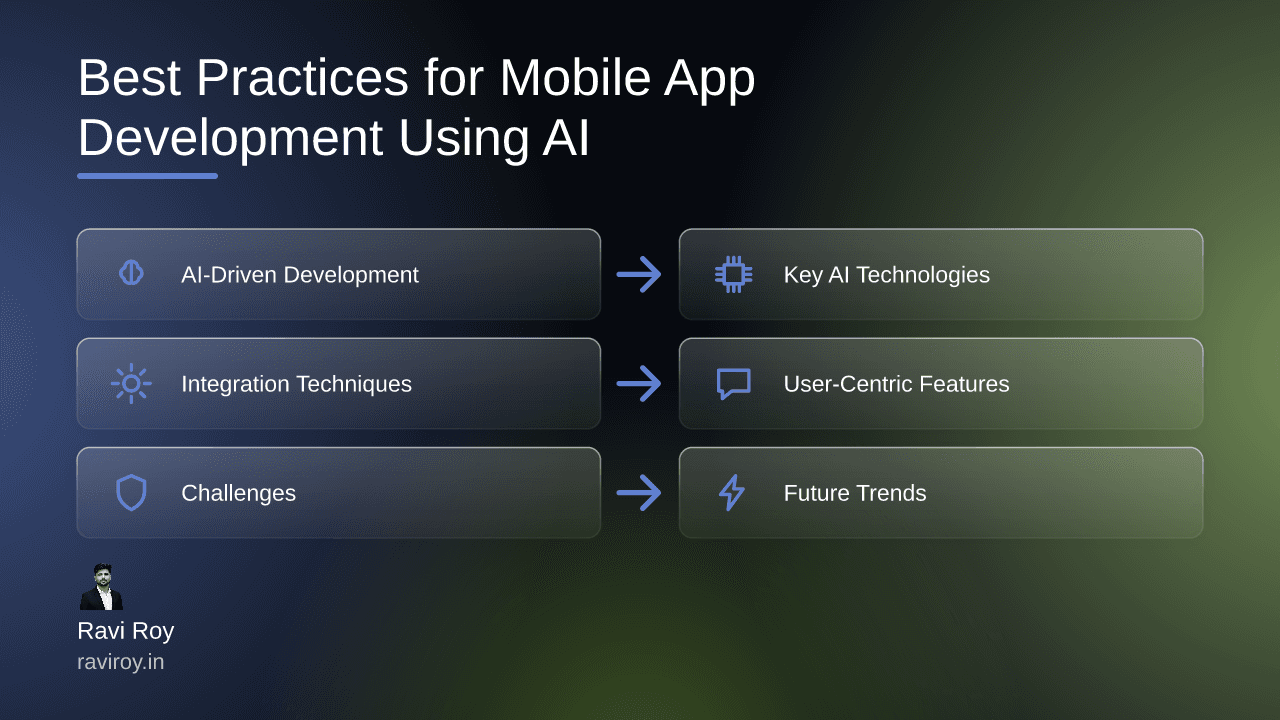
Understanding AI-Driven Mobile App Development
What is AI-Driven Mobile App Development?
AI-driven mobile app development represents a transformative approach to creating applications by leveraging artificial intelligence technologies. By incorporating AI, developers can enhance not just the functionality of apps but also the overall user experience. This integration allows apps to analyze user behavior in real-time, enabling them to adapt and evolve based on users’ preferences and the context in which they are being used.
Benefits of AI in Mobile Apps
The benefits of AI in mobile apps are significant. One of the key advantages is improved user engagement, as AI can help deliver personalized experiences that resonate with users. For instance, features like predictive text and recommendations enhance usability and maintain user interest. AI also enhances app functionality through predictive analytics, allowing apps to forecast user needs and provide tailored suggestions, leading to higher satisfaction levels. By fostering such dynamic interactions, AI effectively paves the way for a more engaging app ecosystem.
Key AI Technologies for Mobile App Development
Common AI Technologies
Several AI technologies stand out in the realm of mobile app development. These include:
Machine Learning (ML): Enables apps to learn from user data and improve functionalities over time.
Natural Language Processing (NLP): Essential for applications that focus on linguistic interactions, allowing users to communicate naturally with the app.
Computer Vision: Powers image recognition features, such as those seen in photo editing apps or augmented reality applications.
Understanding how to leverage these technologies is fundamental for modern app development.
Integration Techniques
Integrating AI technologies into mobile applications requires strategic planning. Here’s how to approach this:
Identify Needs: Determine user needs that can be enhanced through AI capabilities.
Choose the Right Technology: Select technologies based on the specific features you want to implement.
Prototype and Test: Build prototypes of your app that incorporate AI and test them for functionality and user engagement.
Iterate Based on Feedback: Gather user feedback, analyze it, and improve the integration accordingly.
Successful examples include apps like Google Photos, which uses machine learning for image categorization, and language translation apps that utilize NLP to deliver real-time translations.
Best Practices for Integrating AI into Mobile Apps
On-Device AI Solutions
Investing in on-device AI solutions can significantly enhance the speed and privacy of your mobile applications. By processing data locally, apps can offer instantaneous responses while safeguarding sensitive data. This practice not only improves user experience but also builds trust with users concerned about their privacy.
Generative AI for Personalization
Generative AI offers robust opportunities for personalization. By analyzing user data, it can generate tailored content or recommendations that significantly enhance user experience. Here’s how to deploy AI models effectively in mobile app architecture:
Data Collection: Begin by securely collecting user data while ensuring compliance with privacy regulations.
Model Selection: Choose AI models that best fit your personalization goals—for instance, collaborative filtering for product recommendations.
Implementation: Integrate the AI model into your app’s architecture, ensuring seamless interaction with existing systems.
Continuous Learning: Update the model continually based on new user interactions to maintain relevance.
User-Centric Features Enabled by AI
Conversational Interfaces
Conversational interfaces, powered by chatbots and AI technologies, enhance user interaction remarkably. These interfaces simplify the user journey, allowing them to navigate apps and access services effortlessly. For instance, customer service apps employing chatbots can handle inquiries in real-time, significantly improving user satisfaction.
Hyper-Personalization Techniques
Hyper-personalization techniques leverage user data to curate experiences uniquely tailored to each user. For example, streaming services analyze viewing habits to suggest content that aligns with individual preferences. Case studies reveal that apps implementing these techniques have seen increased user retention and engagement, solidifying their position in the market.
Challenges in AI-Driven Mobile App Development
Technical and Ethical Challenges
Despite the numerous benefits, AI-driven mobile app development does not come without challenges.
Technical Challenges: Issues such as data privacy, algorithm bias, and the need for advanced processing power can hinder development efforts. For instance, ensuring user data is protected and conforming to evolving privacy laws is a paramount concern.
Ethical Considerations: Developers must consider user consent and transparency when collecting and utilizing personal data. Maintaining ethical standards is crucial for building and sustaining user trust.
To mitigate these challenges, developers should adopt best practices such as employing robust data encryption methods, using unbiased algorithms, and clarifying data usage through user agreements.
The Future of AI in Mobile App Development
Trends to Watch
Several emerging trends are shaping the future of AI in mobile applications. The integration of voice and vision technologies is gaining traction, allowing users to interact with apps through voice commands or visual identifiers. This could revolutionize user experience by making apps more intuitive and accessible.
Impact of Generative AI
The effects of generative AI on mobile app capabilities are profound. Its potential to streamline content creation and provide more personalized user experiences can greatly enhance app design and functionality. Predictive analytics will further refine decision-making within apps, enabling features that anticipate user needs accurately.
As these technologies continue to develop, developers must remain agile, adapting to the shifting landscape to maintain competitiveness.
What challenges have you faced when integrating AI into your mobile app projects? Share your experiences and insights below!
💬 Join the conversation — share your take in the comments and tell us what you’d add.