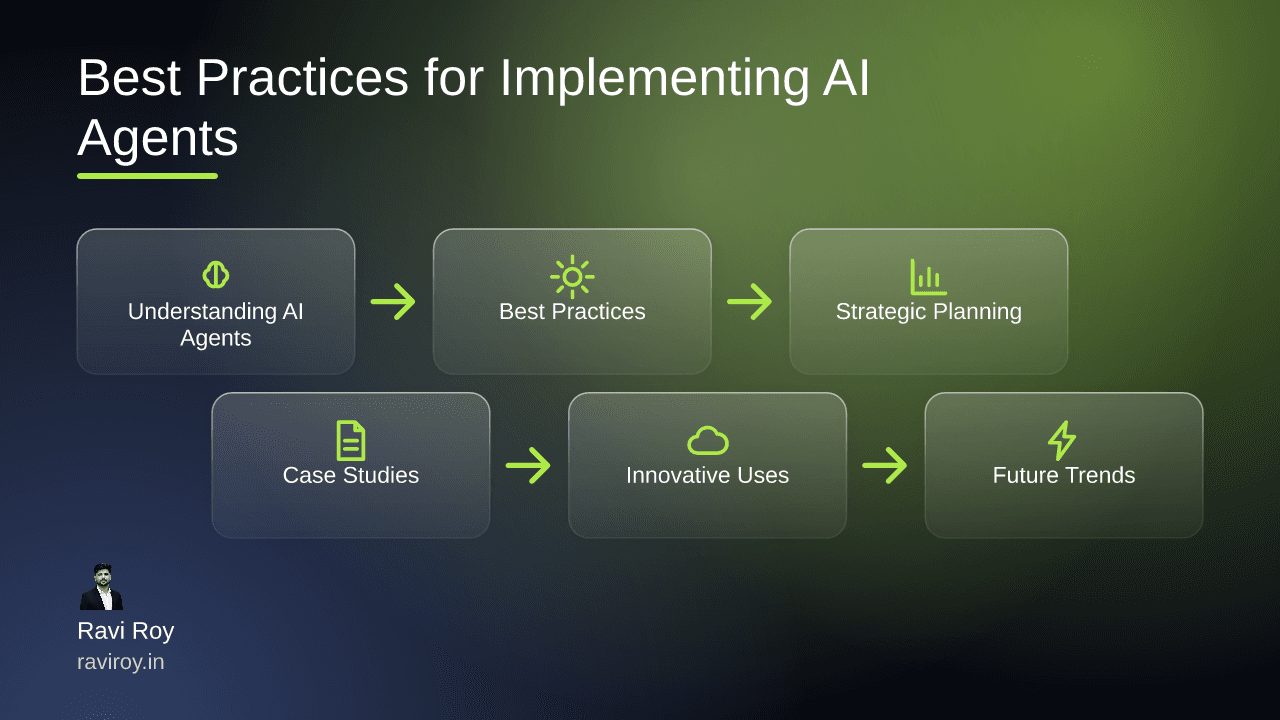
Understanding AI Agents and Their Benefits
What are AI Agents?
AI agents are software entities designed to autonomously perform tasks or simulate human decision-making within specific domains. They can learn and adapt over time, making them versatile tools for organizations. Core functionalities typically include natural language processing, machine learning, and data analysis, enabling these agents to assist in a variety of business functions ranging from customer service to predictive analytics.
For instance, chatbots—an example of AI agents—are used across sectors like hospitality for booking management or in retail for customer inquiries. In the healthcare industry, AI agents assist with patient data management and diagnostics. This adaptability showcases how AI agents can be a game-changer across different business environments.
Benefits of AI Agents in Business
The implementation of AI agents can yield remarkable benefits. For starters, they enhance efficiency by automating repetitive tasks, allowing human employees to focus on more strategic initiatives. Additionally, AI agents can operate 24/7, further increasing productivity.
Cost reduction is another tangible benefit. By streamlining operations, businesses often see a significant decrease in overall operational expenses. According to recent studies, companies that adopted AI solutions noted an average cost savings of 20-30% in various departments (link text), highlighting the financial advantages of utilizing AI agents.
Best Practices for Implementing AI Agents
Adopting Modular AI Architecture
When implementing AI agents, adopting a modular AI architecture can significantly enhance scalability. This design allows teams to break systems into manageable components, making it easier to update or replace individual modules without a complete overhaul.
To adopt a modular architecture, start by defining clear interfaces between modules and ensure functionalities are loosely coupled. Building a proof of concept before rolling out full-scale implementations is essential. Utilizing containerization technologies like Docker can streamline this process, enabling teams to deploy modules across various environments seamlessly.
Ensuring API Resilience
API resilience plays a critical role in the performance of AI agents. AI systems rely heavily on APIs to communicate between different software components and databases. If your APIs fail, your entire AI framework can break down.
To ensure robustness, implement strategies like load testing and endpoint monitoring. Regularly checking API performance under simulated high-load scenarios can identify weak points before they affect users. Tools such as Postman and JMeter allow for extensive testing, ensuring that APIs can handle expected traffic without degradation of performance.
Strategic Planning for AI Scalability
Identifying Scalability Challenges
Scaling AI agents is not without its challenges. Common issues include performance bottlenecks, difficulties integrating with existing systems, and increased costs associated with scaling up. Organizations must be prepared to manage these hurdles as they expand their AI initiatives.
To tackle these challenges, organizations should begin by conducting a thorough assessment of their current infrastructure. Understand where the limitations lie and establish a baseline for what a scalable architecture needs.
Developing a Scalability Roadmap
Once challenges are identified, developing a scalability roadmap is crucial. This roadmap should outline immediate, medium, and long-term goals for scaling up AI capabilities. Key metrics to monitor include response times, system errors, and user satisfaction levels.
Implementing a phased approach allows organizations to make gradual improvements without overwhelming their resources. Continuous feedback loops involving stakeholders can help refine the scaling process based on real-world performance and challenges.
Case Studies: Successful AI Agent Implementation
Industry-Specific Examples
Several organizations have successfully integrated AI agents into their operations. For example, a major insurance company leveraged AI-driven chatbots to handle customer claims. This implementation not only reduced processing time from days to minutes but also resulted in a 40% drop in operational costs.
In the retail sector, a well-known e-commerce platform used AI agents for personalized marketing based on user behavior. This strategy led to a 25% increase in conversion rates, underlining the substantial impact AI can have on sales performance.
Lessons Learned
From these successful implementations, key takeaways emerge. Organizations must prioritize clear communication among teams, ensuring everyone is on the same page regarding objectives and expected outcomes. Additionally, starting small and iterating based on feedback allows for more agile adjustments. Avoiding the 'big bang' approach can prevent costly mistakes and misalignments.
Potential pitfalls, such as over-reliance on AI without human oversight, should be addressed proactively. Ensuring that human experts are in place to review AI decisions can prevent significant repercussions.
Innovative Uses of AI Agents in Different Industries
Healthcare Applications
In healthcare, AI agents are making remarkable strides. For instance, they can manage vast amounts of patient data, streamline appointment scheduling, and even assist in diagnostics. AI-powered systems analyze patient records quickly, enabling healthcare providers to make informed decisions rapidly. This efficiency can significantly improve patient outcomes and optimize resource allocation.
Finance Solutions
The finance sector heavily relies on AI agents for real-time fraud detection. Algorithms analyze transaction patterns and flag anomalies, significantly enhancing security and reducing fraudulent activities. A leading bank demonstrated that it reduced potential fraud losses by nearly 50% after implementing an AI-driven monitoring system (link text), showcasing the power of AI in safeguarding financial transactions.
Retail Innovations
In retail, AI agents are at the forefront of revolutionizing customer service. Tools like virtual shopping assistants guide customers through product selections, improving their shopping experience. Retailers employing these technologies have experienced increased customer satisfaction and higher retention rates, proving that AI can enhance both the consumer journey and bottom-line performance.
Future Trends in AI Agents
Upcoming Technologies
As technology advances, several emerging trends are poised to shape AI agents' future. Developments in natural language processing (NLP) are making interactions more human-like and intuitive. Additionally, advancements in machine learning algorithms are enabling more complex decision-making capabilities within AI systems.
Organizations must stay abreast of these technologies to harness their benefits effectively. Proactively investing in training and organization-wide initiatives can prepare employees to adapt to these changes seamlessly.
Predictions for AI Development
Looking ahead, the future of AI agents appears promising. Predictions indicate that organizations that embrace these innovations will experience enhanced operational efficiencies, better customer engagement, and ultimately, increased revenue streams.
To stay competitive, businesses should explore partnerships with tech leaders and invest in research and development. This proactive approach can create a culture of innovation and readiness to embrace future developments in the AI landscape.
What has been your experience with AI agent implementation in your organization, and what challenges did you face?
💬 Join the conversation — share your take in the comments and tell us what you’d add.