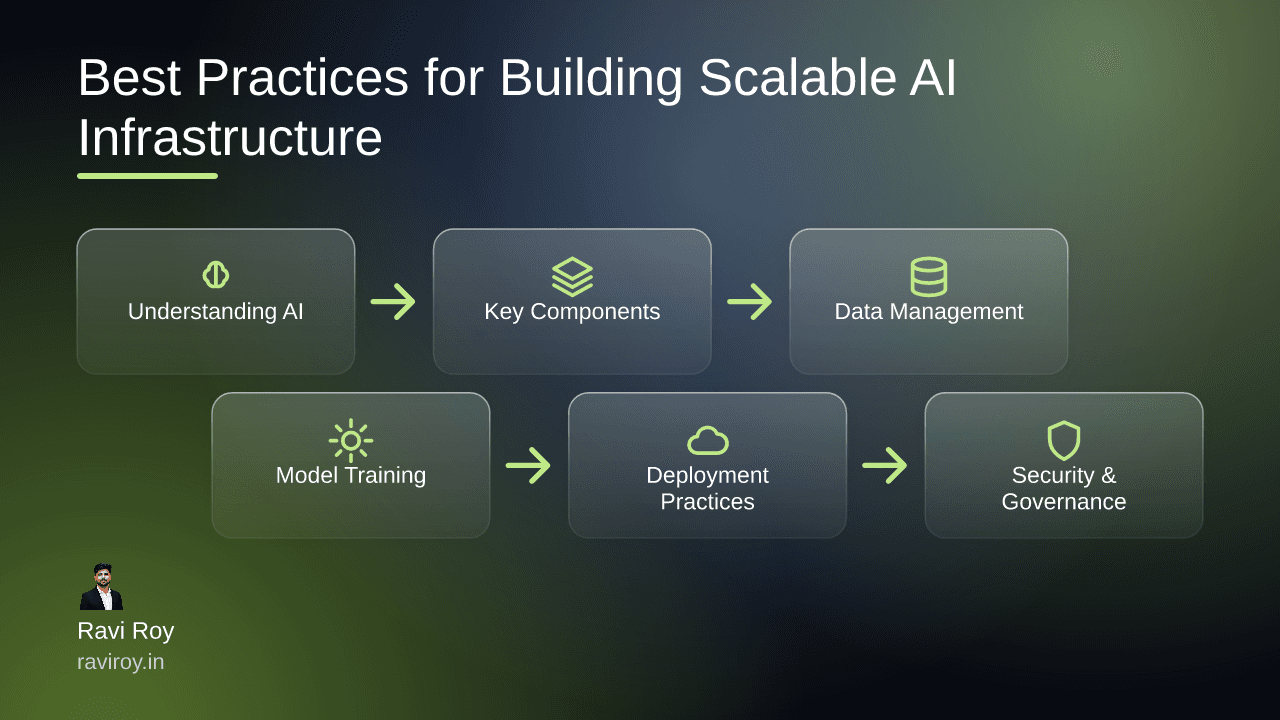
Understanding AI Infrastructure and Its Importance
Scaling AI applications is more than just a technical necessity; it's a strategic advantage in today's data-driven world. As organizations rush to implement AI solutions, understanding the underlying AI infrastructure is vital.
What is AI Infrastructure?
AI infrastructure includes the hardware, software, data management systems, and APIs that process, analyze, and optimize performance for AI models. Essential components consist of:
Computational Resources: Servers, GPUs, and cloud computing platforms that allow for high processing power.
Data Storage Solutions: Databases and cloud services designed to handle large datasets efficiently.
Development Tools: Frameworks and libraries that streamline the model training and deployment processes.
These components work together to support the development, deployment, and management of AI applications.
Why Is Scalability Crucial?
Scalability in AI is crucial for several reasons:
Performance Efficiency: As the data volume increases, a scalable AI infrastructure ensures that performance remains consistent.
Business Growth: Organizations want their AI capabilities to grow alongside their customer base; without scalability, they risk obsolescence.
Cost Management: A scalable infrastructure can dynamically allocate resources, reducing costs during lower demand periods while still being ready for spikes.
Without a scalable AI infrastructure, businesses face challenges like bottlenecks in data processing, reduced performance, and missed opportunities in customer engagement.
Key Components of Scalable AI Infrastructure
Creating a robust AI infrastructure starts with key components that allow for flexibility and growth.
Modular and Composable Architectures
Modular architectures enable organizations to build AI systems from interchangeable components, making it easier to adapt to changes in requirements and technologies. Benefits of modular architectures include:
Enhanced Flexibility: Teams can focus on specific modules without overhauling the entire system.
Faster Deployment: Components can be tested and deployed independently, streamlining the development process.
For example, organizations like Netflix employ a modular architecture, where different services communicate via APIs, allowing them to scale their recommendations engine effectively.
Hybrid and Multi-Cloud Strategies
Hybrid and multi-cloud strategies provide organizations with the flexibility to choose the best services from different cloud providers, optimizing resource management. Advantages include:
Cost-Effectiveness: Organizations can use cheaper services for less-critical applications.
Reduced Downtime: By utilizing multiple providers, companies can mitigate risks associated with a single point of failure.
By successfully employing a hybrid cloud strategy, companies like Spotify can leverage specific services for data storage and machine learning tasks, scaling as needed while optimizing costs.
Role of Data Management in AI Infrastructure
Data is the backbone of AI applications, and effective data management is essential for ensuring successful AI outcomes.
Data Management Frameworks
An organized data management framework ensures that data is collected, stored, and processed systematically:
Data Governance Policies: Establish guidelines for data quality and integrity.
ETL Processes: Implement efficient Extract, Transform, Load (ETL) processes to prepare data for analysis.
Tools like Apache Kafka and AWS Glue can facilitate these processes, allowing organizations to maintain high-quality datasets.
Data Processing Techniques
Efficient data processing techniques are crucial for AI success. For instance, using distributed computing frameworks such as Spark can significantly speed up data processing and enhance model training times.
A use case demonstrating effective data management comes from Zillow, which uses advanced data processing to predict market trends effectively, relying on clean and well-structured data to feed their machine learning models.
Optimizing Model Training and Inference for Scalability
Model training and inference are core elements in deploying AI applications, and optimizing these processes can lead to significant improvements.
AI-Specific Hardware Acceleration
Utilizing specialized hardware like GPUs and TPUs can drastically reduce the time required for model training and inference. Organizations should consider:
Investing in Hardware: Upgrading to hardware designed for AI can yield faster training times and operating efficiencies.
Leveraging Cloud Solutions: Providers like Google Cloud and AWS offer scalable GPU options, allowing businesses to pay for power only when needed.
MLOps and Feature Stores
Integrating MLOps practices ensures a seamless collaboration between data scientists and IT operations, improving efficiency and deployment times. Feature stores help to manage and reuse features across different models, fostering consistency.
Measuring effectiveness can be done through performance metrics like model accuracy, time to deployment, and operational costs, ensuring teams are aligned on business objectives.
Best Practices for Deploying Scalable AI Applications
Deploying AI applications involves understanding your infrastructure needs and utilizing best practices to ensure scalability.
Serverless AI Workloads and Containerization
Serverless architectures allow developers to build and deploy applications without needing to manage server resources directly. This leads to:
Automated Scalability: Automatically adapts to workload demands, ensuring resources are efficiently used.
Cost Control: Pay only for the compute resources consumed during execution, avoiding idle costs.
Containerization enhances portability and scalability of applications. Using tools like Docker, teams can package applications and dependencies together, making deployment easier across various environments.
Infrastructure Planning
Strategic infrastructure planning involves assessing your organization's needs and forecasting future demands. Organizations should:
Conduct Scalability Audits: Regular reviews of current systems to identify bottlenecks.
Invest in Monitoring Tools: Use tools to track performance in real-time and make necessary adjustments.
Security, Governance, and Sustainability in AI Infrastructure
Building robust AI infrastructure isn't just about performance — security and governance are critical.
Building a Security Framework
Ensuring the security of AI infrastructure includes implementing essential measures such as:
Data Encryption: Protect sensitive data both in transit and at rest.
Access Controls: Limit access to sensitive data and infrastructure only to authorized personnel.
Additionally, frameworks like the NIST Cybersecurity Framework can guide security initiatives in organizations deploying AI systems.
Sustainability Strategies
As AI infrastructure scales, organizations must prioritize sustainability to mitigate environmental impacts. This can be achieved through:
Energy-Efficient Data Centers: Implementing green technologies and optimizing cooling systems to reduce energy consumption.
Carbon Offsetting Initiatives: Engaging in projects that neutralize carbon emissions generated by AI operations.
Companies like Microsoft are actively pursuing sustainability goals within their AI initiatives, showcasing a commitment to responsible technology development.
Future Trends in AI Infrastructure
The future of AI infrastructure is evolving rapidly, influenced by emerging technologies and market needs.
Emerging Technologies and Innovations
Technological advancements such as quantum computing and edge AI are likely to shape the landscape of AI infrastructure. These innovations have the potential to:
Enhance Processing Power: Quantum computing can solve complex problems that classic computers struggle with.
Improve Response Times: Edge AI processes data closer to the source, reducing latency and improving real-time decision-making.
Adapting to Market Changes
To stay competitive, organizations must continuously adapt their AI strategies. This involves:
Investing in Research and Development: Staying ahead of trends and technologies that could reshape AI infrastructure.
Implementing Agile Methodologies: Quickly pivoting operational strategies as market demands change.
As AI scales, organizations must also be aware of the environmental impacts of large-scale data processing to ensure they reduce their carbon footprint.
Scaling AI infrastructure requires careful planning, strategic investments, and a keen awareness of future trends.
What challenges have you faced when scaling AI infrastructure, and how have you addressed them?
💬 Join the conversation — share your take in the comments and tell us what you’d add.