Understanding Multi-Tenant SaaS Architecture
What is Multi-Tenant SaaS?
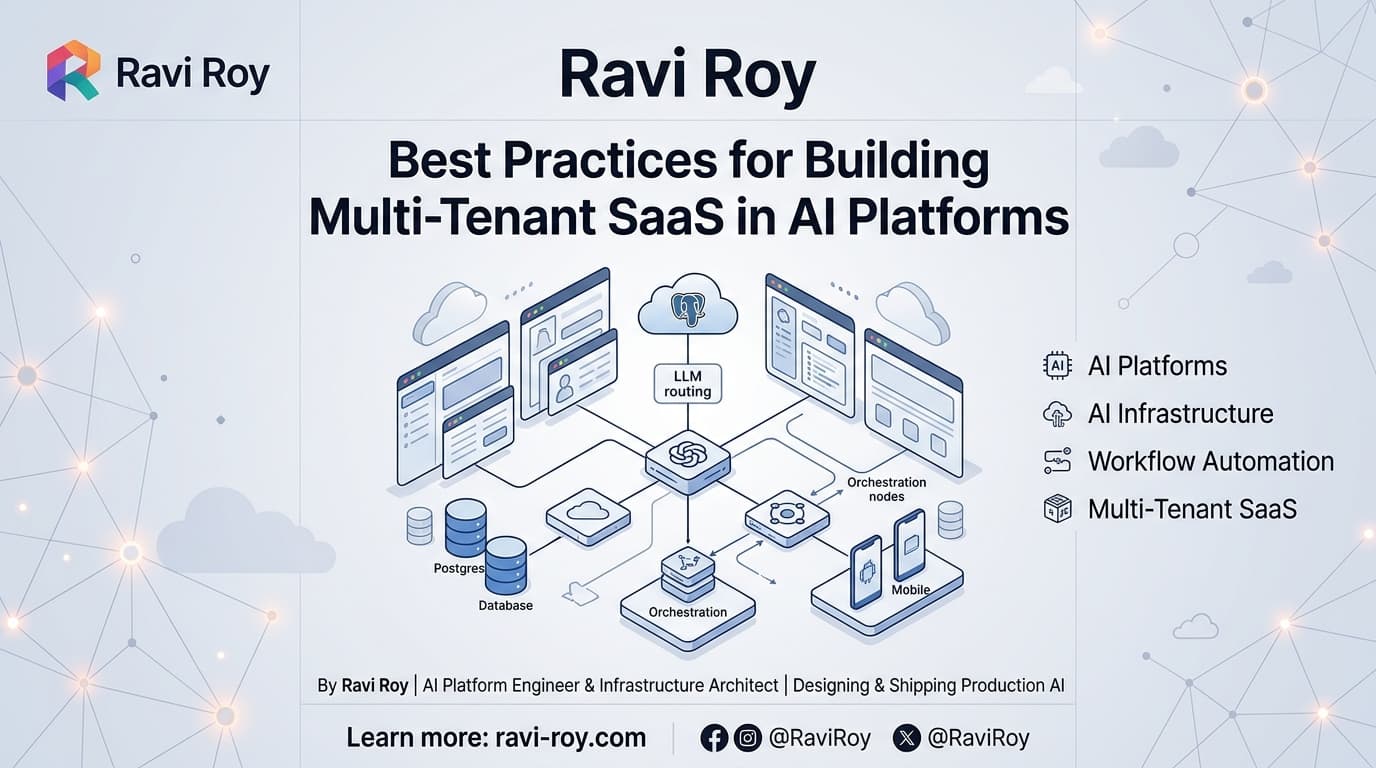
Multi-tenant SaaS (Software as a Service) is a software architecture where a single instance of an application serves multiple customers or "tenants." Each tenant’s data is isolated and remains invisible to others, a critical feature when deploying AI platforms. This architecture allows vendors to efficiently serve many clients at once while reducing infrastructure costs. The significance of multi-tenant SaaS in AI-driven environments cannot be overstated, as it enables rapid scaling and resource optimization essential for modern businesses.
Benefits of Multi-Tenant Architecture
Embracing a multi-tenant architecture can unlock several advantages:
Scalability: With multiple clients using the same software instance, scaling becomes more straightforward. This design allows for rapid onboarding of new tenants and efficient use of computational resources.
Cost Efficiency: By sharing infrastructure and resources, organizations can significantly save on operational costs. This approach helps in reallocating budget towards innovation and enhancement in AI capabilities.
Resource Optimization: Multi-tenant systems better utilize hardware and software resources. Resources can be dynamically allocated based on tenant needs, leading to improved performance and management.
Key Challenges in Implementation
Despite its advantages, implementing a multi-tenant architecture comes with its own set of challenges:
Tenant Data Security: Ensuring each tenant's data is protected from unauthorized access is paramount. The risk of data leakage strategies increases with shared environments, making security a top priority for developers.
Isolation of Resources: Keeping resource allocation fair and efficient is crucial, especially when the performance of one tenant can affect others. Efficiently managing this can be complex in multi-tenant systems.
Compliance and Regulations: Different tenants may have different compliance needs. Balancing these within a unified system can be challenging but essential for ensuring a trustworthy service.
Choosing the Right Tenancy Model
Shared App vs. Isolated Tenants
Choosing a tenancy model is foundational to a successful multi-tenant architecture. The options typically include:
Shared Application/Shared Database: The simplest and most cost-effective, but poses greater risks of data leakage.
Shared Application/Separate Schema: Provides better isolation than shared databases while still being resource-efficient.
Fully Isolated Tenants: Each tenant operates on a dedicated application instance, maximizing data security at the cost of increased resource demand.
Tenant-Specific vs. Shared AI Models
The decision around AI models also carries weight.
Shared AI Models benefit from collective learning, driving performance improvements faster but may not cater to individual tenant needs.
Tenant-Specific Models allow customization and optimization for each tenant's requirements but may incur higher overhead costs for resource management.
Cost Considerations with Different Models
When assessing these models, a comprehensive analysis of costs is essential. While shared models can drastically lower operational costs, isolated models may provide the security that meets higher compliance demands. Thus, balancing cost against risk becomes a haven for savvy platform engineers.
Ensuring Data Security and Preventing Leakage
Strategies for Data Isolation
To guarantee tenant data protection, various methods can be incorporated:
Data Segregation: Use distinct databases or schemas to isolate tenant data effectively.
Encryption: Implement robust encryption protocols both at rest and in transit to safeguard sensitive information.
Implementing Access Controls
Effective access control mechanisms can substantially reduce the risk of data breaches:
Role-Based Access Control (RBAC): Assign permissions based on user roles, ensuring only authorized individuals can access specific tenant data.
Multi-Factor Authentication (MFA): Enhances security levels by requiring multiple forms of verification before granting access.
Monitoring and Auditing Tenant Data
Regular monitoring and auditing are vital for maintaining security protocols and compliance. Automated systems can alert developers to unusual activities, while routine audits ensure that security measures are consistently enforced.
Scaling AI Inference and Training
Best Practices for Autoscaling
Autoscaling is critical in optimizing service delivery in AI platforms. Utilizing tools like Kubernetes facilitates automated scaling based on workload, ensuring resources are allocated efficiently according to tenant demand.
Cost Optimization Techniques
Balancing performance with budget constraints can be achieved through:
Resource Tagging: Streamlining cost management by tagging resources for easy tracking.
Spot Instances: Leveraging cloud provider spot instances can drastically reduce inference costs while maintaining performance.
Batch Processing and Caching Strategies
Batching requests can help manage load during peak times, allowing systems to process multiple requests simultaneously. Complementing this with caching can improve response times, creating a smoother experience for tenants.
Governance and Performance Monitoring
Implementing AI Workload Governance
Developing a solid governance framework is essential for effective AI workload management. Establishing clear guidelines and operational guardrails ensures that both performance and compliance standards are consistently met.
Managing Tenant-Specific Performance Metrics
Performance metrics should be tailored for each tenant to ensure that their specific demands are being met. Implementing monitoring systems that track these metrics allows for real-time adjustments and ongoing optimizations.
Continuous Improvement through Data Analysis
Data analytics play a central role in enhancing AI performance. Regularly reviewing operational data can reveal areas for improvement, ensuring that systems evolve alongside technological advancements and tenant needs.
Supporting Tenant-Specific Customizations
Strategies for Customization without Compromising Isolation
Customization enhances the user experience but can compromise data isolation. Implementing modular architectures where customizations are compartmentalized can help maintain this balance.
Balancing Performance and Custom Features
It’s crucial to strike a balance between performance and customized features. A comprehensive performance assessment can help ensure that custom features do not hinder the overall efficiency of the SaaS application.
Tools for Implementing Custom Solutions
Exploring available tools and frameworks can streamline the development of custom solutions. Utilizing APIs and robust development environments can ease the customization process while safeguarding tenant data integrity.
Creating a robust multi-tenant SaaS architecture, especially in AI contexts, is a complex yet rewarding endeavor. By implementing these best practices, platform engineers can develop solutions that are not only efficient but also secure and scalable.
Explore our comprehensive guide for further details on creating a robust multi-tenant SaaS architecture empowered by AI.